Introduction:
What Are Solar Panels?
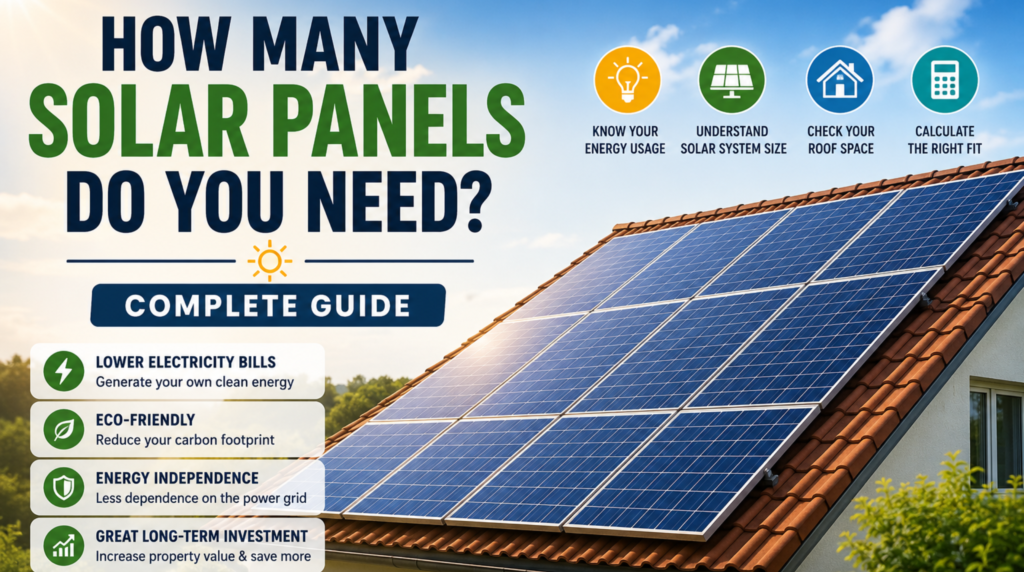
Solar panels are devices that convert sunlight into electricity using photovoltaic (PV) technology. They consist of multiple solar cells that capture sunlight and transform it into usable electrical energy for homes, offices, industries, and commercial buildings. This clean and renewable source of energy reduces dependence on traditional electricity generated from fossil fuels and helps lower carbon emissions.
Modern solar panels are designed to deliver reliable performance for decades with minimal maintenance. Their efficiency has improved significantly over the years, allowing property owners to generate more electricity while using less installation space. Because of these advancements, solar energy has become one of the most practical and cost-effective solutions for meeting everyday electricity needs.
Why Is It Important to Know How Many Solar Panels You Need?
Choosing the correct number of solar panels is essential for ensuring that your solar energy system performs efficiently throughout its lifespan. Every property consumes electricity differently, and a properly designed solar system should reflect those unique energy requirements.
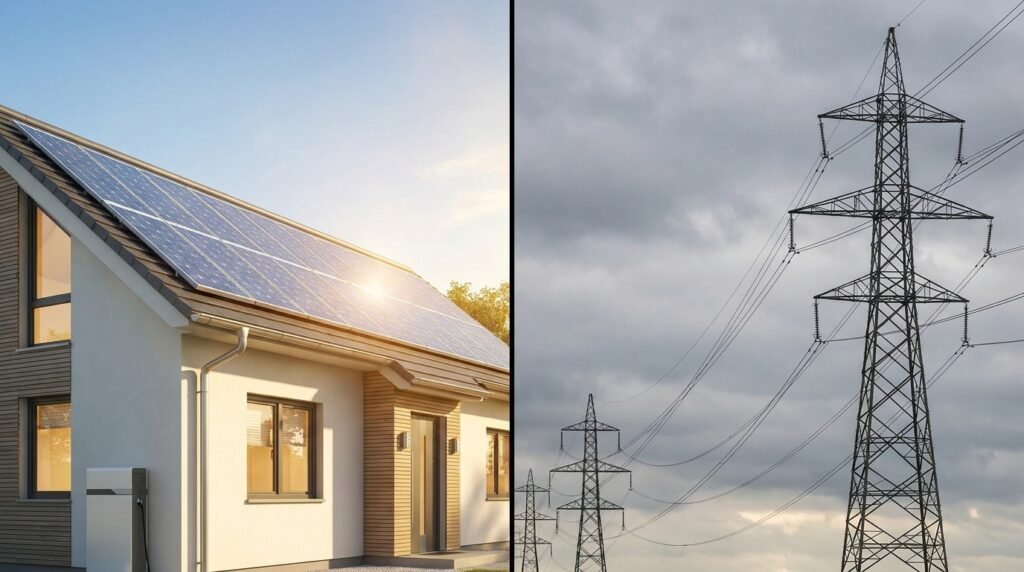
A well-sized solar installation helps produce enough electricity to reduce or even eliminate dependence on the utility grid. It also ensures that your investment delivers maximum financial benefits by generating sufficient power without unnecessary installation expenses. When the number of panels matches your actual energy demand, you can enjoy lower electricity bills, improved energy independence, and greater long-term savings.
Understanding the right system size also helps homeowners plan for future energy needs. Families often increase their electricity consumption over time by adding new appliances, air-conditioning systems, or electric vehicles. Considering these future requirements during the planning stage allows the solar system to remain effective for many years.
Factors That Affect How Many Solar Panels You Need
There is no universal answer to how many solar panels every property requires because several important factors influence the final system design. Professional solar installers carefully evaluate these aspects before recommending the ideal solution. One of the most significant factors is electricity consumption. Every household and business uses electricity differently depending on lifestyle, occupancy, operating hours, and the number of electrical appliances. Properties with higher energy demand naturally require larger solar systems than those with lower consumption. Roof space is another important consideration. The available installation area determines how many solar panels can be accommodated safely and efficiently. Larger roofs provide greater flexibility, while smaller roofs may benefit from premium high-efficiency panels capable of producing more electricity from limited space. The geographical location of a property also plays an important role. Regions that receive abundant sunlight throughout the year allow solar panels to generate higher levels of electricity compared to areas with lower solar exposure. Weather conditions, seasonal changes, and local climate all influence overall energy production. Roof orientation and shading also affect solar performance. Roofs that receive unobstructed sunlight throughout the day generally provide better energy generation than those partially shaded by nearby buildings or trees. Professional site assessments identify these factors before installation to ensure optimal system performance.
Why Every Home Requires a Customized Solar Solution
No two homes consume electricity in exactly the same way. Even houses with similar floor areas can have completely different energy requirements depending on the number of occupants, appliance usage, and daily routines.
Some households use electricity primarily during the daytime, while others experience higher consumption during evenings and weekends. Commercial establishments have even more diverse energy demands depending on business operations and working hours.
Because of these differences, professional solar system design focuses on creating a customized solution rather than offering a one-size-fits-all package. Customized planning ensures that the solar installation delivers the best possible performance while maximizing energy savings and investment returns.
The Importance of Choosing High-Quality Solar Panels
Not all solar panels offer the same level of performance. Modern solar technology continues to improve, providing homeowners with highly efficient panels capable of generating greater electricity from the same amount of sunlight.
Premium-quality solar panels typically provide better durability, higher efficiency, and longer warranties. They also perform more consistently under changing weather conditions, making them a smart long-term investment.
Choosing quality components not only improves energy production but also reduces maintenance requirements and enhances the overall reliability of the solar power system.
Benefits of Installing the Right Number of Solar Panels
Installing the correct number of solar panels offers numerous financial and environmental benefits. A properly sized system helps reduce monthly electricity bills while providing greater energy independence. It also improves the return on investment by ensuring that the system operates efficiently throughout its lifespan.
In addition to financial savings, solar energy contributes to environmental sustainability by reducing greenhouse gas emissions and decreasing reliance on fossil fuels. Many homeowners also experience increased property value after installing professionally designed solar systems, making solar energy an investment that benefits both current and future homeowners.
Choosing the right number of panels also provides peace of mind by ensuring that your energy needs are consistently met without unnecessary expansion or expensive future upgrades.
Why Professional Solar Assessment Matters
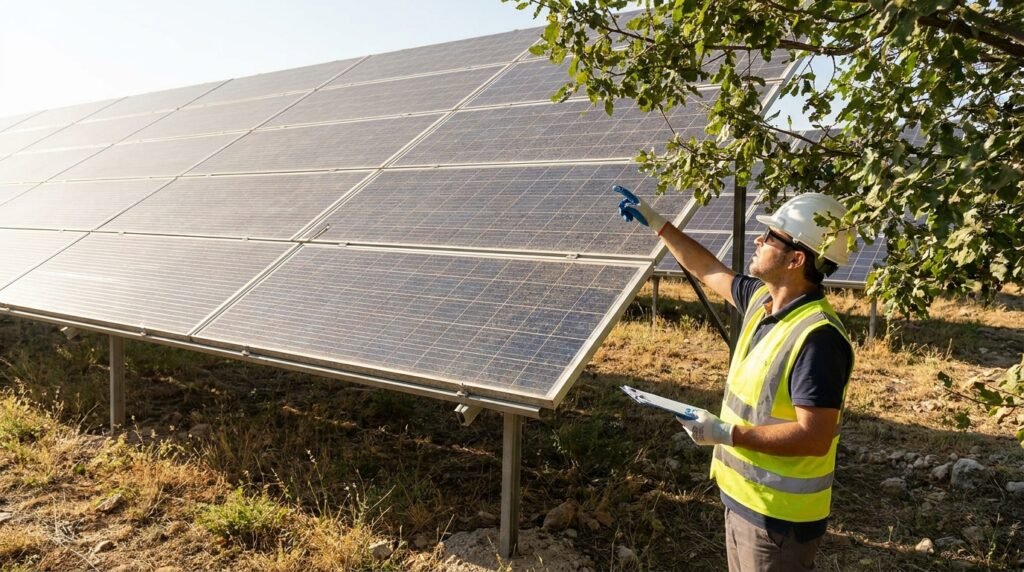
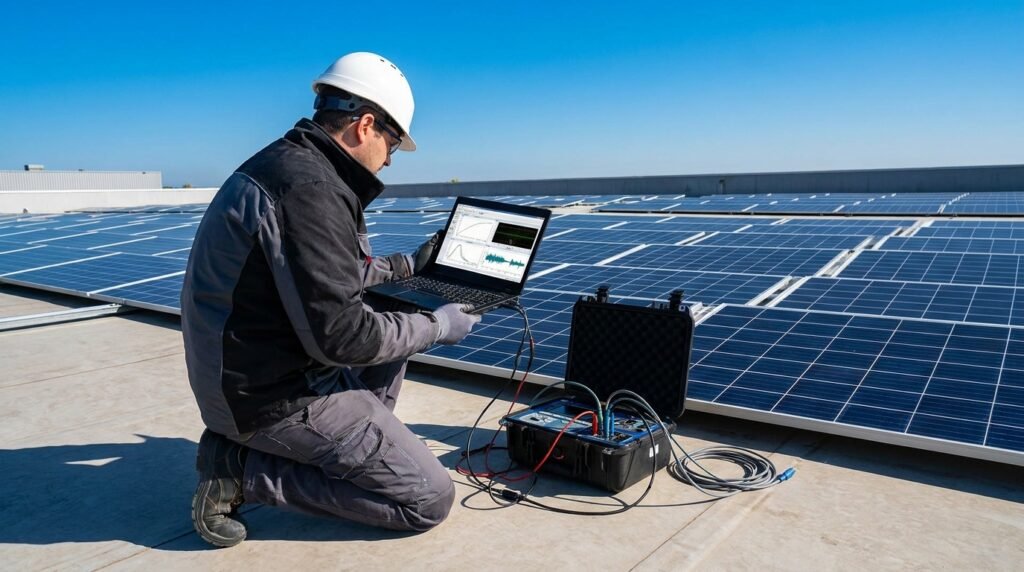
Professional solar assessment is one of the most important steps before installing any solar energy system. Experienced installers evaluate electricity usage, roof structure, available installation space, sunlight exposure, and long-term energy goals before recommending the most suitable solution.
This detailed evaluation ensures that every component of the solar system works together efficiently. It also minimizes installation risks, improves energy generation, and maximizes financial returns throughout the life of the system.
Professional planning provides confidence that the investment will continue delivering reliable clean energy for decades.
Why Choose RVK Solar?
When investing in solar energy, selecting the right installation partner is just as important as choosing the right solar panels. RVK Solar is committed to delivering customized solar solutions designed to meet the unique energy requirements of every customer.
Our experienced professionals conduct comprehensive site assessments, recommend high-quality solar products, and provide expert installation services using industry best practices. From residential rooftops to large commercial projects, we focus on delivering efficient, reliable, and long-lasting solar systems that help customers reduce electricity costs while supporting a cleaner environment.
At RVK Solar, customer satisfaction remains our highest priority. We provide complete guidance throughout the installation process, ensuring that every client receives a solution tailored to their current and future energy needs.
Visit our official website at https://rvksolar.com/ to learn more about our solar services. You can also search “RVK Solar” on Google to explore our latest projects, customer reviews, and additional information.
FAQs:
1. How many solar panels do I need for my home?
The number of solar panels depends on your electricity consumption, roof space, sunlight availability, and the efficiency of the panels selected.
2. Can I install additional solar panels in the future?
Yes. Many solar systems are designed with future expansion in mind, allowing homeowners to increase system capacity as their energy needs grow.
3. Do high-efficiency solar panels make a difference?
Yes. High-efficiency panels generate more electricity from the same roof area, making them ideal for properties with limited installation space and higher energy demands.
4. How long do solar panels last?
Most high-quality solar panels are designed to operate efficiently for 25 to 30 years or more with proper maintenance.
5. Is professional solar planning necessary?
Absolutely. Professional planning ensures that your solar system is correctly designed for your property’s energy requirements, maximizing both performance and long-term savings.