Introduction: Why Farmers Need Smart Storage Today
Understanding Energy Security in India
Energy security refers to a nation’s ability to ensure uninterrupted access to affordable and reliable energy resources. For a developing economy like India, energy security is directly connected to industrial productivity, economic stability, and national growth.
India remains one of the world’s largest importers of crude oil and fossil fuels. This dependence creates several challenges:
- Rising electricity costs
- Exposure to international fuel price volatility
- Increasing carbon emissions
- Grid reliability concerns
- Energy supply disruptions
As electricity demand continues to rise, relying solely on conventional energy sources is no longer sustainable. India requires a diversified and resilient energy strategy, and solar power has emerged as one of the strongest solutions.
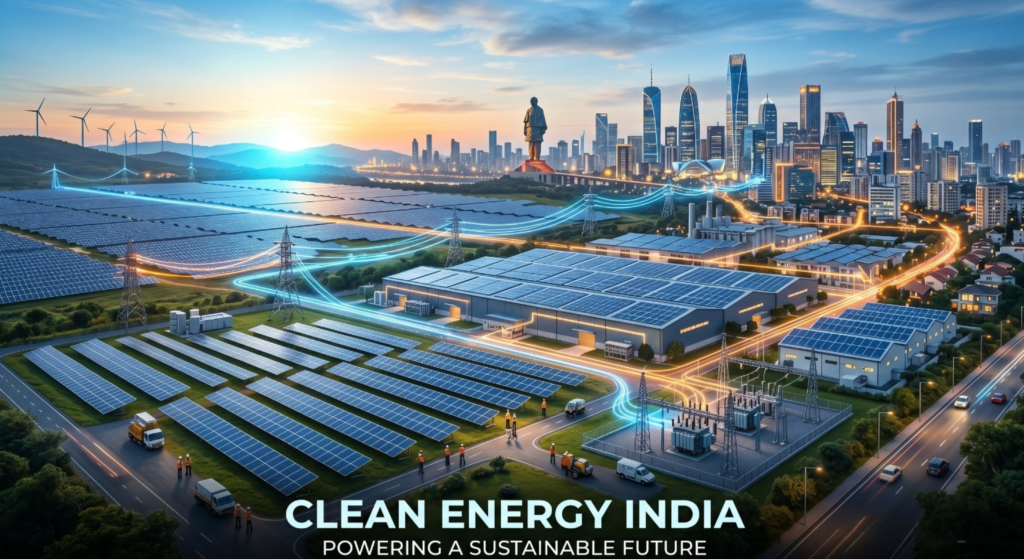
Solar in India’s energy security is now considered a national priority because it provides decentralized, scalable, and clean electricity generation.
Why Solar Energy Is Becoming Essential for India
India receives abundant sunlight throughout most parts of the year, making solar one of the country’s most practical renewable energy resources. Unlike fossil fuels, solar power does not rely on imported raw materials or unstable international markets. The biggest advantage of solar energy lies in its long-term sustainability. Once a solar system is installed, it can generate electricity for decades with minimal operational costs. This reduces pressure on the national grid while helping consumers achieve energy independence. Another important factor is the speed at which solar infrastructure can be deployed. Large-scale thermal or hydroelectric projects often require years of development, land approvals, and heavy investments. Solar installations, especially rooftop systems, can be implemented much faster. Today, industries, offices, educational institutions, hospitals, and residential communities are investing in solar because they recognize its strategic value beyond simple electricity savings.
How Solar Strengthens India’s Energy Security
Reducing Dependence on Imported Fuels
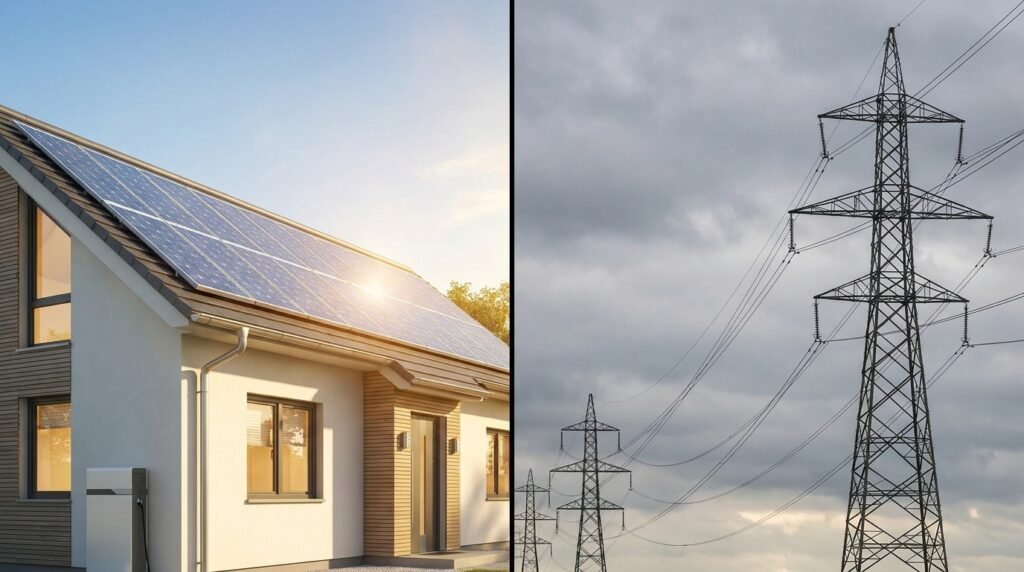
India imports a significant percentage of its energy requirements from other countries. Global geopolitical tensions and fuel price fluctuations directly affect domestic electricity costs. Solar energy helps reduce this dependency by enabling local power generation. When businesses and households install rooftop solar systems, they consume less grid electricity generated from imported fuels. Over time, this strengthens national energy resilience and improves economic stability.
Stabilizing Electricity Costs
Traditional electricity prices continue to rise due to increasing fuel costs, transmission expenses, and infrastructure investments. Solar power offers long-term price stability because sunlight is free. After installation, solar systems significantly reduce electricity bills and protect consumers from future tariff hikes. For commercial and industrial sectors, this creates predictable operational costs and improves financial planning. This is one reason why solar in India’s energy security is receiving strong government and private sector support.
Solar Energy and Industrial Growth
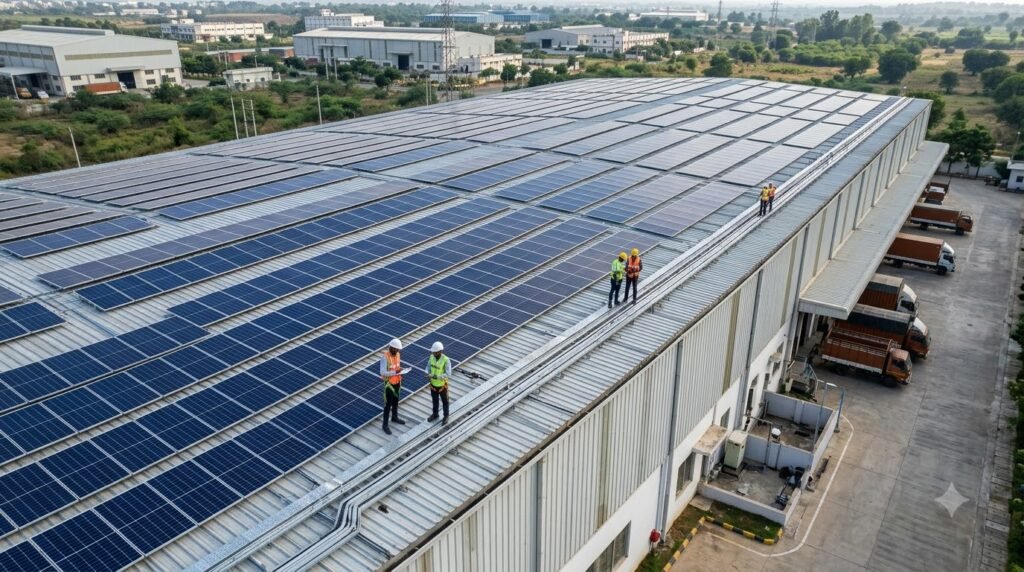
India’s industrial sector consumes massive amounts of electricity. Manufacturing units, warehouses, textile plants, food processing industries, and commercial facilities require uninterrupted power for daily operations.
Frequent power fluctuations and rising energy costs negatively impact productivity and profitability.
Solar energy is becoming an effective solution for industries because it offers:
- Lower operational expenses
- Reduced dependency on grid power
- Better energy reliability
- Improved sustainability performance
- Long-term return on investment
Many businesses are now integrating solar into their corporate sustainability strategies and ESG goals.
At RVK Solar, advanced commercial and industrial solar solutions are designed to help organizations achieve greater energy efficiency while supporting India’s renewable energy mission.
Government Policies Driving Solar Expansion
Ideal for small farmers
The Indian government has introduced multiple initiatives to accelerate renewable energy adoption across the country.
Some major programs include:
- PM Surya Ghar Yojana
- National Solar Mission
- Rooftop Solar Subsidy Programs
- Net Metering Policies
- Renewable Purchase Obligations (RPOs)
These initiatives encourage residential and commercial consumers to invest in solar infrastructure by reducing installation costs and improving financial viability.
India has also set ambitious renewable energy targets, positioning solar as a key pillar of future energy planning.
The rapid expansion of solar infrastructure demonstrates how seriously the country views solar in India’s energy security framework.
Capacity: 1–5 tonPortable and affordable
The Role of Rooftop Solar in Urban Energy Demand
Urban areas face increasing pressure on electricity infrastructure due to population growth and rising energy consumption.
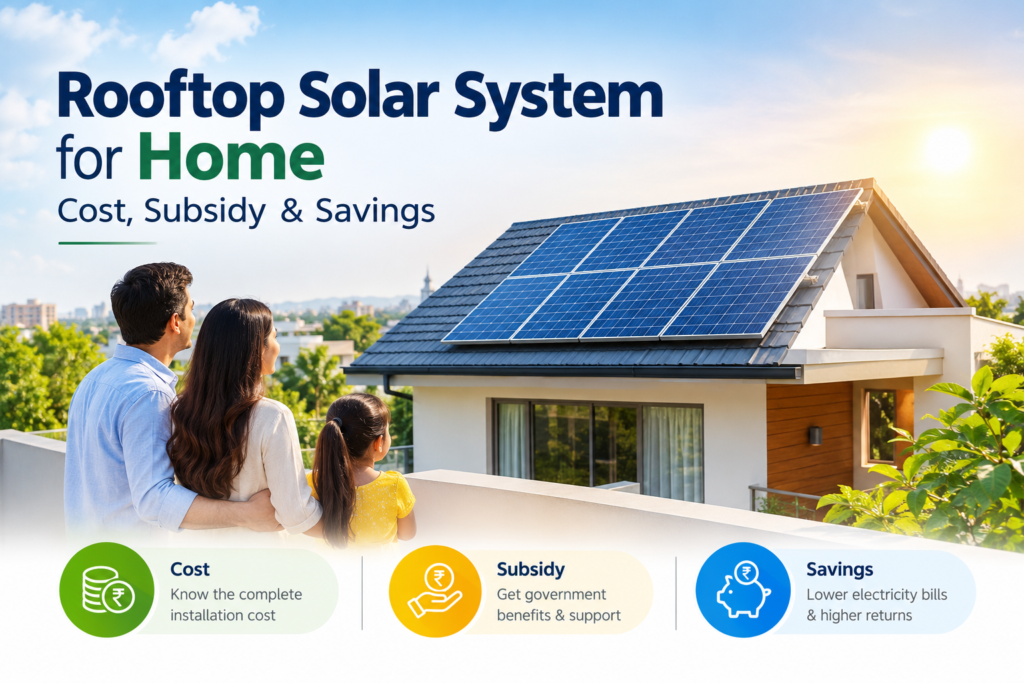
Rooftop solar systems are helping cities reduce dependency on centralized power generation. By producing electricity directly at the point of consumption, rooftop systems reduce transmission losses and improve grid efficiency.
This decentralized energy model is particularly important for India’s future energy stability.
In many regions, commercial buildings and residential societies are now generating a substantial portion of their own electricity through solar installations.
This shift not only reduces electricity costs but also contributes to cleaner urban environments.
Environmental Benefits Supporting Long-Term Security
Energy security is not only about availability and affordability. Environmental sustainability also plays a crucial role.
Fossil fuel-based energy generation contributes heavily to pollution and climate change. These environmental challenges can create long-term economic and social risks.
Solar energy supports cleaner development by reducing:
- Carbon emissions
- Air pollution
- Water consumption in power generation
- Dependence on non-renewable resources
As India moves toward sustainable economic growth, solar power will remain central to balancing energy demand with environmental responsibility.
Challenges India Must Address
Although solar adoption is growing rapidly, several challenges still need attention.
- Energy storage limitations
- Grid integration complexities
- Land acquisition concerns
- Initial investment costs
- Infrastructure modernization requirements
Battery storage technologies and smart grid systems will become increasingly important in the coming years.
Despite these challenges, technological advancements and falling solar equipment costs continue to improve the feasibility of large-scale solar deployment.
Experts believe that solar will remain one of the fastest-growing energy sectors in India for decades to come.
Why Businesses Are Partnering with RVK Solar
Choosing the right solar partner is essential for achieving long-term performance and return on investment.
RVK Solar focuses on delivering reliable, high-efficiency solar solutions tailored to residential, commercial, and industrial energy needs.
Key advantages include:
- Customized solar system design
- Professional installation services
- Advanced technology solutions
- Long-term maintenance support
- Energy optimization expertise
Businesses looking to improve energy efficiency and reduce electricity costs are increasingly turning toward trusted solar providers with proven technical capabilities.
Explore more at: RVK Solar Official Website
RVK Solar Official Website And if you want to grow your agricultural business online and reach more customers, connect with
Complete Advertising Agency
The Future of Solar in India’s Energy Security
The future of India’s energy sector will depend heavily on renewable energy expansion.
Solar power is expected to become one of the largest contributors to India’s electricity generation capacity over the next decade. Advances in storage technology, smart energy management, and grid modernization will further strengthen solar adoption.
India’s transition toward renewable energy is not simply an environmental initiative. It is an economic and strategic necessity.
The growing role of solar in India’s energy security represents a shift toward greater independence, sustainability, and resilience.
As awareness increases and technology becomes more affordable, solar energy will continue transforming how India powers its homes, businesses, and industries.
Conclusion
India is entering a new era of energy transformation. Rising electricity demand, global fuel uncertainties, and environmental challenges are making renewable energy more important than ever before. Solar energy offers a practical, scalable, and sustainable solution to many of these challenges. From reducing fuel imports to stabilizing electricity costs and supporting economic growth, solar is becoming a cornerstone of India’s long-term energy strategy. The growing importance of solar in India’s energy security will continue shaping the country’s future energy landscape. If you are planning to adopt reliable solar solutions for your home, business, or industrial facility, RVK Solar can help you move toward a smarter and more sustainable energy future. The importance of solar in India’s energy security continues to grow as the country moves toward renewable energy and sustainable development. From lowering electricity costs to reducing fossil fuel dependency, solar energy offers long-term benefits for residential, commercial, and industrial sectors. With supportive government policies and improving solar technologies, now is the ideal time to invest in renewable energy solutions. Businesses and homeowners who adopt solar today can secure lower energy expenses and contribute to a greener future. If you are looking for trusted solar solutions in India, RVK Solar provides customized solar installations designed for long-term performance and efficiency.
Learn more at RVK Solar Official Website
FAQs:
1. Why is solar energy important for India’s energy security?
Solar energy reduces dependence on imported fossil fuels, improves electricity reliability, and supports long-term energy sustainability.
2. How does solar help reduce electricity costs?
Solar systems generate electricity using sunlight, significantly reducing dependency on grid power and lowering monthly electricity bills.
3. Is solar energy suitable for industries?
Yes. Industrial solar systems help businesses reduce operational costs, improve energy efficiency, and achieve sustainability goals.
4. What government support is available for solar in India?
The government offers subsidies, net metering policies, and renewable energy programs to encourage solar adoption.
5. Why choose RVK Solar?
RVK Solar provides professional solar solutions with customized system design, quality installation, and long-term technical support.