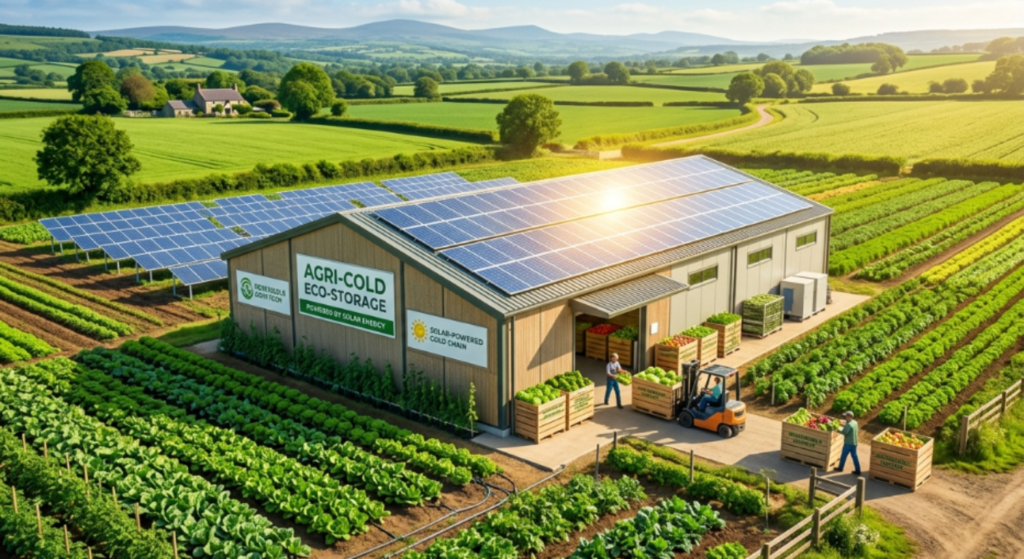
Introduction: Why Farmers Need Smart Storage Today
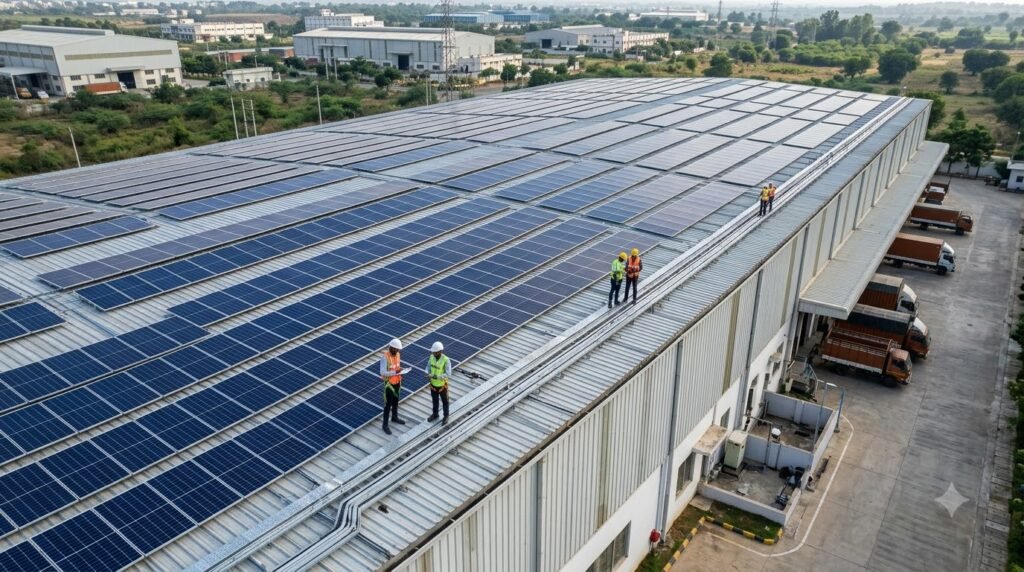
Why Businesses in India Are Choosing Solar Energy
One of the most significant benefits of solar cold storage solutions for farmers is the direct impact on income generation. Farmers often sell their produce at low prices during peak harvest seasons due to excess supply in the market. This leads to reduced profit margins and sometimes even losses.
With access to solar cold storage, farmers can store their produce and wait for market demand to rise. For example, vegetables like tomatoes, onions, and fruits like mangoes can be stored for extended periods without losing quality. This allows farmers to sell when prices are higher, ensuring better returns.
Moreover, farmers can explore new business opportunities such as:
- Supplying to supermarkets and urban markets
- Participating in export markets
- Creating value-added products
This transformation helps shift farmers from subsistence farming to profit-driven agriculture.
Technology Behind Solar Cold Storage Systems
Understanding the technology behind solar cold storage solutions for farmers helps in appreciating their efficiency and reliability. These systems are designed with advanced components that ensure consistent cooling even in challenging conditions.
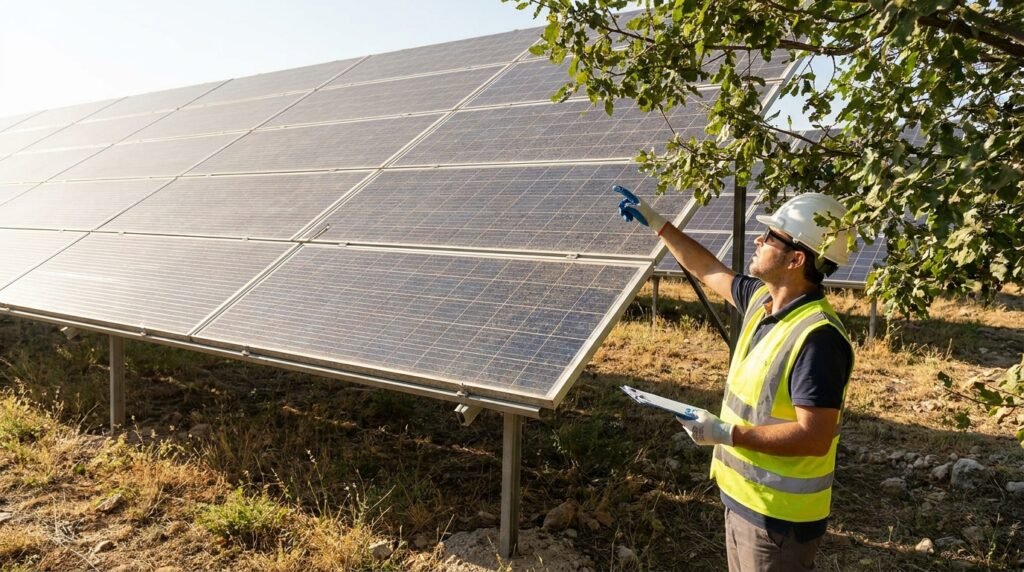
Solar panels generate electricity during the day, which is either used instantly or stored in batteries. Some advanced systems also use thermal energy storage, which maintains cooling even without continuous power supply. The refrigeration unit is designed to maintain specific temperature ranges depending on the type of produce stored.
Modern systems also include smart monitoring features such as:
- Temperature sensors
- Remote monitoring via mobile apps
- Automated cooling adjustments
This makes solar cold storage not only efficient but also user-friendly for farmers with minimal technical knowledge
Why Solar Cold Storage Solutions for Farmers Are Important
1. Reduces Post-Harvest Losses
- Prevents spoilage of fruits and vegetables
- Extends shelf life by days or even weeks
2. Increases Farmer Income
- Farmers can store produce and sell later at better prices
- Eliminates middlemen pressure for quick sales
3. Saves Energy Costs
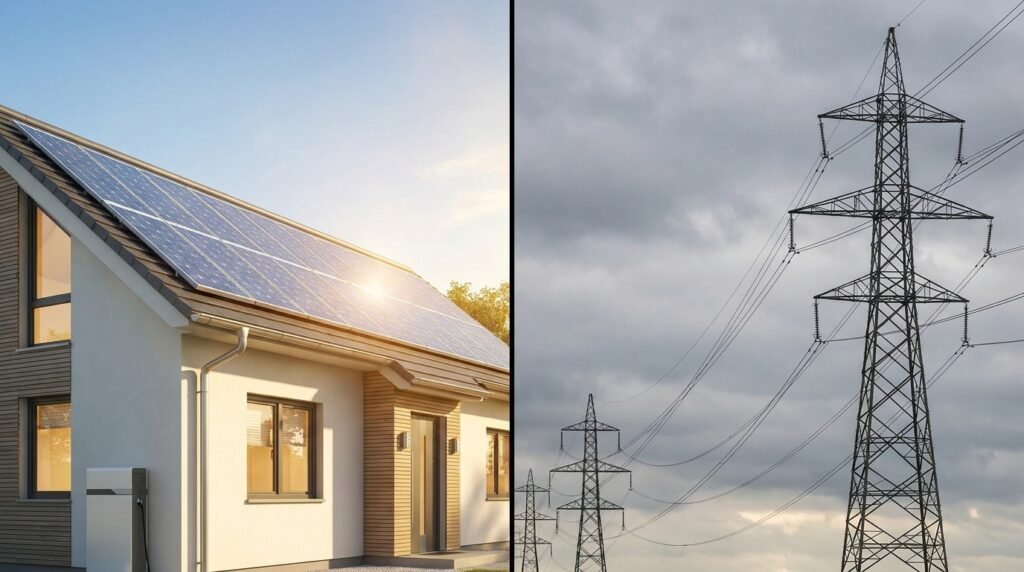
- No dependency on grid electricity
- One-time investment with long-term savings
4. Eco-Friendly Solution
- Uses renewable solar energy
- Reduces carbon footprint
How Solar Cold Storage Works
Solar cold storage operates through a simple yet powerful process:
Step-by-Step Working
- Solar panels absorb sunlight and convert it into electricity
- Energy is stored in batteries for continuous operation
- The refrigeration system cools the storage chamber
- Temperature is maintained automatically
This ensures uninterrupted cooling even during power outages.
Types of Solar Cold Storage Solutions for Farmers
1. Small-Scale Cold Storage Units
- Ideal for small farmers
- Capacity: 1–5 tons
- Portable and affordable
2. Medium-Scale Cold Storage
- Suitable for farmer groups or cooperatives
- Capacity: 5–20 tons
3. Large Commercial Cold Storage
- Used by agribusiness companies
- High capacity and advanced technology
Key Benefits of Solar Cold Storage Solutions for Farmers
Top Advantages:
- Reduces food wastage
- Improves product quality
- Enables better market timing
- Supports sustainable farming
- Works in remote locations
Why Choose Professional Solar Providers
Choosing the right solar partner is crucial for long-term success.
For reliable and efficient solar solutions, you can explore:
If you want to promote your business or build your brand online, you can also connect with:
Government Support and Subsidies in India
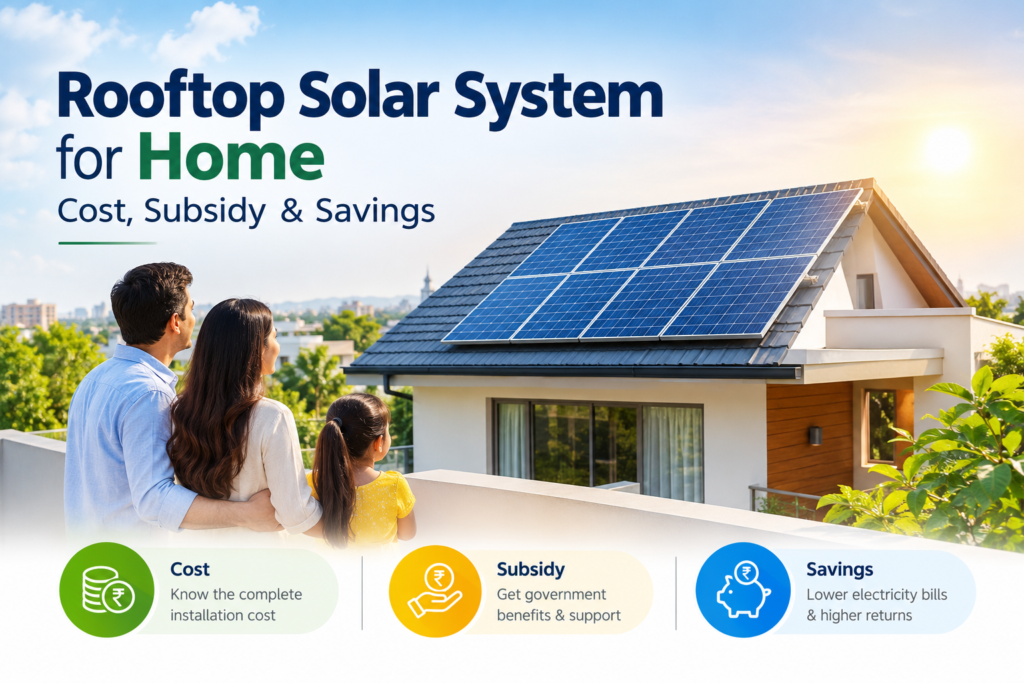
The Indian government is actively promoting solar cold storage solutions for farmers through various schemes and subsidies. Recognizing the importance of reducing food wastage and improving farmer income, several financial assistance programs have been introduced.
Some key initiatives include:
- PM-KUSUM Scheme for solar energy adoption
- NABARD financial support for rural infrastructure
- State-level subsidies for cold storage development
These programs can reduce the initial investment cost significantly, making solar cold storage accessible even to small and marginal farmers. Farmers are encouraged to consult experts or trusted providers to understand eligibility and application processes.
Conclusion:
This technology empowers farmers to take control of their business, reduce waste, and contribute to a greener future. Whether you are a small farmer or part of a large agricultural network, investing in solar cold storage can transform the way you farm. In today’s competitive agricultural landscape, relying on traditional methods is no longer enough to ensure profitability and sustainability. Solar cold storage solutions for farmers have emerged as a powerful innovation that not only reduces post-harvest losses but also gives farmers greater control over their produce, pricing, and income. By using clean and renewable solar energy, farmers can overcome challenges like unreliable electricity, high storage costs, and market pressure to sell quickly. Investing in solar cold storage is more than just adopting new technology—it is a smart step toward modern, efficient, and future-ready farming. It empowers farmers to store their crops safely, access better market opportunities, and increase their overall earnings while contributing to environmental sustainability. If you are ready to transform your farming practices and boost your income, now is the time to act. Explore reliable solar solutions with
RVK Solar Official Website And if you want to grow your agricultural business online and reach more customers, connect with
Complete Advertising Agency
FAQs:
1. How long can produce be stored in solar cold storage?
Depending on the product, fruits and vegetables can be stored from several days to a few weeks without losing quality.
2. Is solar cold storage suitable for small farmers?
Yes, small-scale units are specifically designed for individual farmers and are cost-effective with subsidies.
3. What maintenance is required?
Regular cleaning of solar panels and basic system checks are usually sufficient for smooth operation.
4. Can it be used for multiple types of crops?
Yes, temperature settings can be adjusted to store different types of produce.
5. Is it a profitable investment?
Absolutely. The reduction in losses and better market pricing make it highly profitable in the long run.