Introduction:
Commercial Solar Plant Efficiency
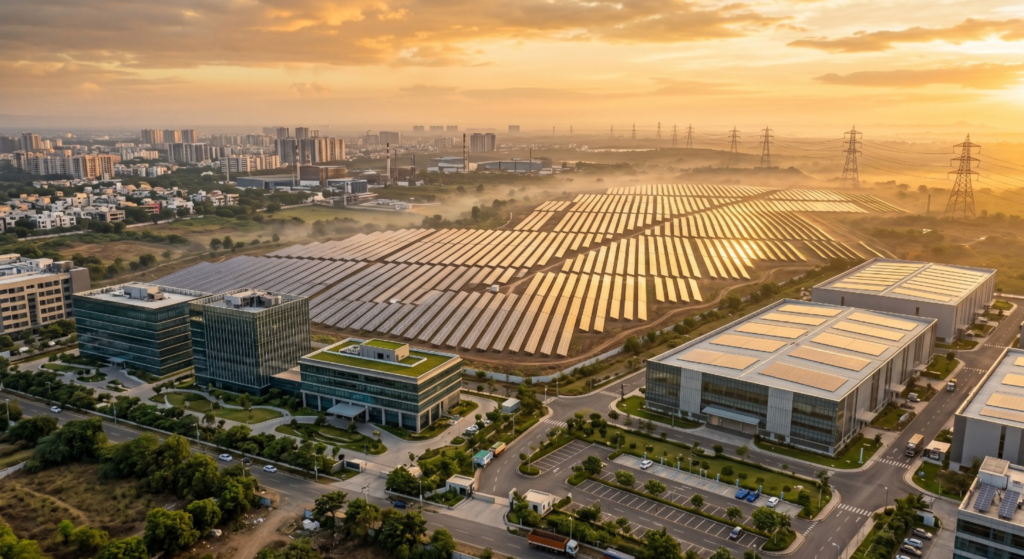
Commercial solar plant efficiency refers to the ability of a solar system to convert available sunlight into usable electricity with minimal losses.
In simple terms, efficiency determines how much energy a solar plant can produce compared to its installed capacity.
For example, two solar systems with the same size may generate different amounts of electricity depending on factors such as panel quality, system design, weather conditions, maintenance practices, and equipment performance.
Higher efficiency means:
- Better electricity generation
- Lower energy losses
- Faster investment recovery
- Improved long-term savings
- Greater operational reliability
Businesses investing in commercial solar systems should understand that efficiency optimization is not a one-time process. It requires careful planning, proper engineering, regular monitoring, and preventive maintenance.
Solar Panel Quality and Technology
Importance of High-Quality Solar Panels
One of the biggest factors affecting commercial solar plant efficiency is the quality of solar panels used in the installation.
Solar panels are responsible for converting sunlight into electricity. Higher-quality panels generally offer:
- Better conversion efficiency
- Lower degradation rates
- Improved temperature performance
- Longer lifespan
- Better low-light generation
Low-quality panels may appear cost-effective initially, but they often generate lower output and degrade faster over time.
Commercial projects require reliable and durable panels capable of delivering stable performance for 25 years or more.
Advanced Solar Technologies
Modern solar technologies such as Mono PERC, TOPCon, and bifacial panels have significantly improved commercial solar efficiency.
These technologies provide:
- Higher power output
- Better heat tolerance
- Improved low-light performance
- Enhanced long-term durability
Businesses looking for maximum energy generation should invest in advanced solar technologies instead of focusing only on initial installation cost.
Solar Plant Design and Engineering
Proper engineering design plays a major role in determining solar plant performance.
Even high-quality equipment can underperform if the system is poorly designed.
Commercial solar systems must be engineered according to:
- Energy consumption patterns
- Roof orientation
- Structural load capacity
- Sunlight exposure
- Local weather conditions
- Future expansion requirements
Incorrect system sizing can lead to reduced efficiency and lower financial returns.
At RVK Solar, detailed site analysis and engineering assessments help optimize commercial solar plant performance from the initial design stage.
Impact of Solar Panel Orientation and Tilt Angle
Importance of Proper Alignment
The orientation and tilt angle of solar panels directly affect how much sunlight the system receives throughout the day.
Panels installed at incorrect angles may experience lower sunlight absorption, reducing electricity generation.
In India, south-facing solar panels with optimized tilt angles generally deliver better annual energy output.
Seasonal Sunlight Variations
The position of the sun changes throughout the year, affecting solar radiation levels.
Professional solar engineering considers seasonal variations to maximize yearly performance rather than focusing only on peak summer generation.
Improper alignment can reduce commercial solar efficiency significantly over time.
Shading and Obstruction Issues
Shading is one of the most common reasons for reduced solar plant efficiency.
Even partial shading from nearby structures, trees, water tanks, or utility poles can impact the performance of multiple panels within a solar array.
Commercial buildings often face shading challenges due to:
- HVAC equipment
- Adjacent buildings
- Industrial infrastructure
- Communication towers
A detailed shadow analysis should always be performed before installation.
Modern technologies like microinverters and power optimizers can help reduce shading-related losses and improve system performance.
Temperature and Weather Conditions
Many people assume solar panels perform best in extremely hot conditions, but excessive heat can actually reduce efficiency.
Solar panels generate electricity using sunlight, not temperature.
High temperatures increase electrical resistance within panels, reducing power output.
This is why proper ventilation and panel spacing are important for maintaining system efficiency.
Weather conditions also influence solar generation, including:
- Dust accumulation
- Heavy rainfall
- Humidity
- Cloud cover
- Air pollution
Commercial solar plants in industrial areas may require more frequent cleaning due to higher dust and pollution levels.
Importance of Solar Inverters
The inverter is often called the “brain” of a solar system.
It converts the DC electricity generated by solar panels into usable AC electricity for commercial operations.
A low-quality or inefficient inverter can create major energy losses.
Factors affecting inverter performance include:
- Conversion efficiency
- Load handling capability
- Heat management
- Monitoring functionality
- Grid synchronization quality
Selecting the right inverter architecture is essential for large-scale commercial systems.
String inverters, central inverters, and hybrid inverters each offer different operational advantages depending on project size and energy requirements.
Maintenance and Cleaning Practices
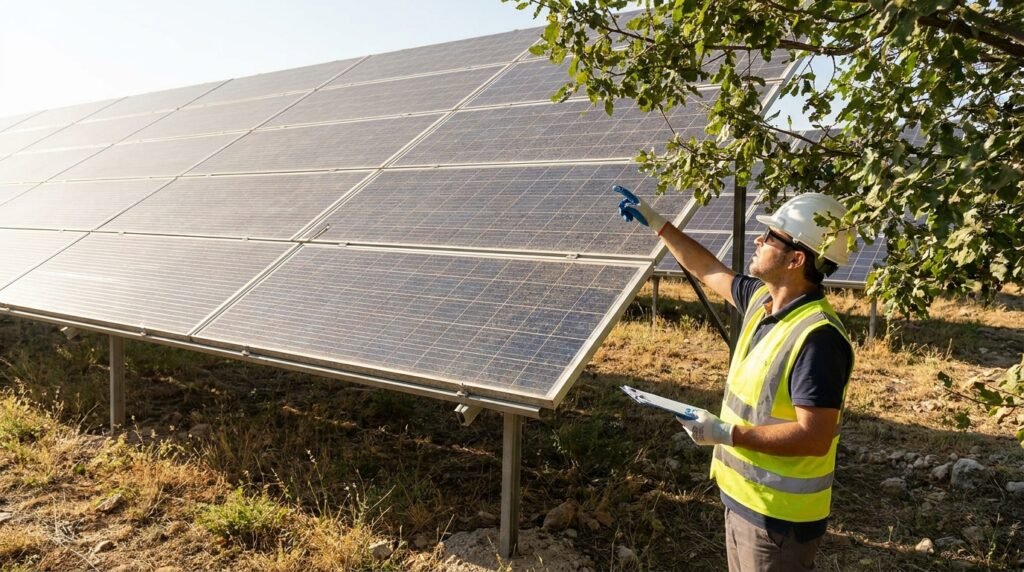
Regular maintenance is critical for maximizing solar plant efficiency.
Dust, bird droppings, leaves, and debris can block sunlight and reduce energy generation significantly.
Commercial solar plants require periodic cleaning schedules based on local environmental conditions.
Neglecting maintenance can lead to:
- Reduced power output
- Hotspot formation
- Equipment wear
- Electrical faults
- Long-term degradation
Preventive maintenance also helps identify issues early before they become major operational problems.
At RVK Solar, long-term maintenance services help businesses maintain optimal solar system performance.
Monitoring and Performance Analytics
Modern commercial solar plants rely heavily on digital monitoring systems.
Real-time monitoring helps businesses track:
- Energy generation
- System efficiency
- Inverter performance
- Fault detection
- Energy savings
Without monitoring systems, performance losses may go unnoticed for long periods.
Advanced SCADA and remote monitoring technologies improve operational visibility and help maximize long-term energy generation.
Data-driven performance analysis is becoming increasingly important in large-scale solar operations.
Grid Connectivity and Electrical Losses
Electrical losses within wiring systems, transformers, and grid connections can affect overall solar plant efficiency.
Improper cable sizing, poor connections, and voltage fluctuations can reduce power transmission efficiency.
Commercial solar projects require high-quality electrical infrastructure to minimize system losses.
Professional installation and proper quality control are essential for ensuring stable and efficient energy flow.
Importance of Professional Solar EPC Services
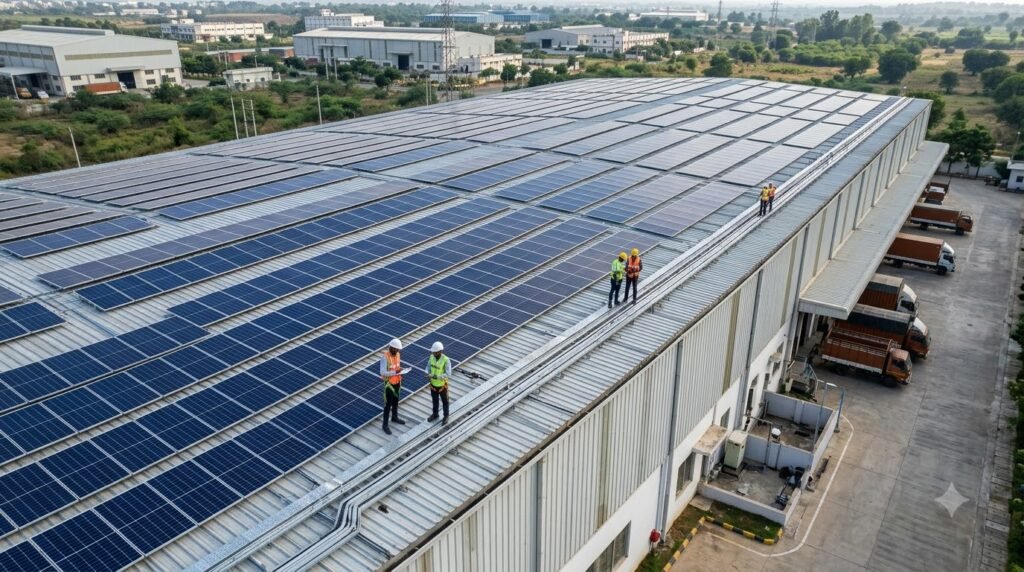
The efficiency of a commercial solar plant depends heavily on the expertise of the solar EPC (Engineering, Procurement, and Construction) company handling the project.
An experienced solar provider ensures:
- Proper system design
- Quality equipment selection
- Accurate engineering
- Safe installation
- Long-term performance optimization
Businesses should avoid selecting solar contractors solely based on low pricing.
A poorly executed installation can result in years of reduced energy generation and operational inefficiencies.
RVK Solar focuses on delivering high-performance solar solutions tailored for long-term reliability and maximum energy output.
Explore more at: RVK Solar Official Website
Conclusion
Commercial solar systems are long-term infrastructure investments, and their success depends largely on operational efficiency.
Understanding the factors affecting commercial solar plant efficiency helps businesses make smarter investment decisions and maximize long-term returns.
From panel quality and inverter performance to maintenance practices and environmental conditions, every component plays a critical role in determining overall system productivity.
As energy costs continue to rise, businesses that optimize solar plant performance will achieve greater energy savings, operational stability, and sustainability advantages.
Partnering with an experienced solar company like RVK Solar ensures professional design, reliable installation, and long-term efficiency optimization for commercial solar projects.
Visit RVK Solar Website to learn more about advanced commercial solar solutions.
FAQs:
1. What are the main factors affecting commercial solar plant efficiency?
Key factors include solar panel quality, inverter efficiency, shading, temperature, maintenance, system design, and environmental conditions.
2. Does temperature affect solar panel efficiency?
Yes. Extremely high temperatures can reduce solar panel performance by increasing electrical resistance.
3. Why is maintenance important for solar plants?
Regular maintenance prevents dust accumulation, equipment issues, and power losses, helping maintain optimal energy generation.
4. How does shading impact solar efficiency?
Even partial shading can reduce the performance of multiple panels and lower total system output.
5. Why choose RVK Solar for commercial solar projects?
RVK Solar provides customized solar solutions with advanced engineering, quality installation, and long-term maintenance support.