Introduction:
Why Commercial Solar System Design Matters
Many businesses focus primarily on the cost of solar installation. However, the actual value of a solar system comes from how efficiently it generates electricity over its lifespan. A poorly designed system may suffer from energy losses, shading issues, maintenance challenges, and lower-than-expected savings.
A properly designed commercial solar system offers:
- Higher energy production
- Improved return on investment
- Reduced electricity bills
- Lower maintenance costs
- Better equipment lifespan
- Enhanced energy independence
- Increased property value
- Sustainability and ESG benefits
How RVK Solar Adds Value
RVK Solar performs detailed engineering and energy assessments before recommending any solar solution. This ensures that businesses receive a system specifically designed to meet their operational and financial objectives.
search website on google: rvksolar.com
Site Assessment and Feasibility Analysis
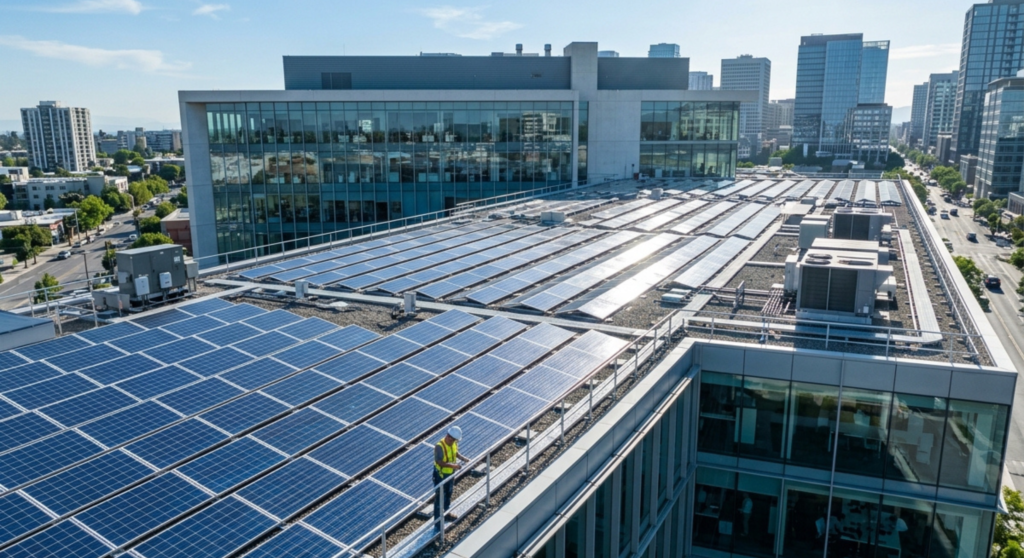
The first and most critical step in any commercial solar project is a comprehensive site assessment. Every building has unique characteristics that impact solar performance.
During the assessment phase, several factors must be evaluated, including roof condition, available space, energy consumption patterns, structural integrity, and local climate conditions.
Key considerations include:
- Roof orientation and tilt angle
- Available installation area
- Nearby shading obstacles
- Building load capacity
- Annual electricity consumption
- Future expansion plans
- Local weather conditions
A detailed feasibility study helps determine whether rooftop solar, ground-mounted solar, or a hybrid solution is the most suitable option.
RVK Solar Advantage
RVK Solar conducts professional site surveys using advanced tools and engineering expertise to identify the most efficient system layout before installation begins.
Energy Consumption Analysis
Understanding how a facility consumes electricity is essential when designing a commercial solar system. Businesses often have varying demand patterns throughout the day, week, and year.
A comprehensive energy audit helps identify:
- Peak demand periods
- Seasonal variations
- Operational energy requirements
- Potential load reduction opportunities
- Future energy growth projections
Designing the solar system around actual consumption data ensures optimal system sizing and financial performance.
Benefits of Choosing RVK Solar
Our experts analyze historical electricity bills and load profiles to create highly accurate solar system designs that align with your business operations.
Proper System Sizing
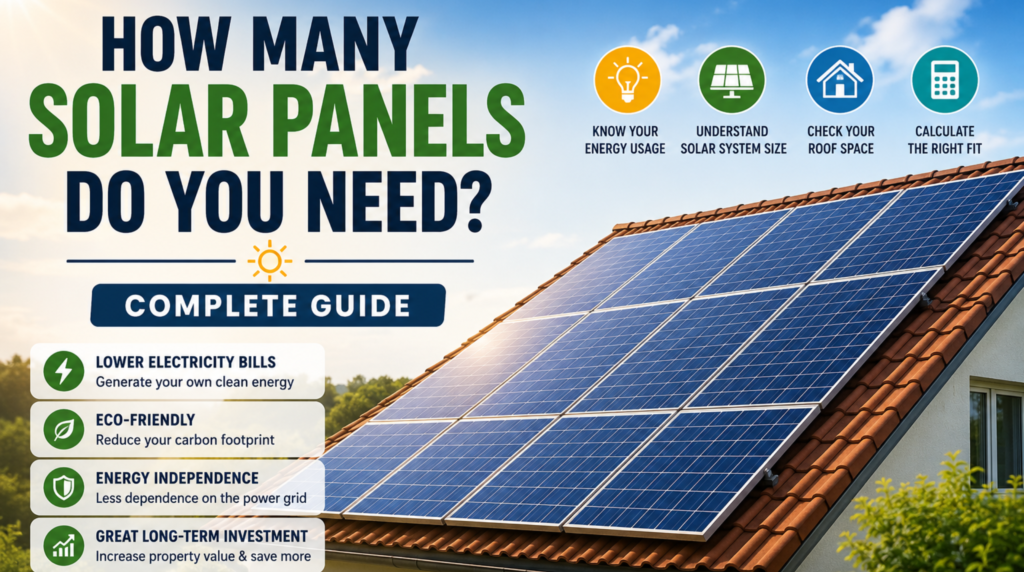
One of the most important solar system design considerations for commercial projects is selecting the right system size.
Oversized systems may increase upfront investment unnecessarily, while undersized systems may fail to deliver expected energy savings.
Factors affecting system size include:
- Annual electricity consumption
- Available installation space
- Budget requirements
- Utility regulations
- Net metering policies
- Future business expansion
A properly sized system balances energy generation with financial objectives.
Solar Panel Selection
Solar panels are the heart of any solar energy system. Choosing the right panel technology directly impacts system efficiency, durability, and long-term performance.
Commercial projects generally consider:
Monocrystalline Panels
- Higher efficiency
- Better performance in limited space
- Longer lifespan
- Premium option
Polycrystalline Panels
- Lower initial cost
- Moderate efficiency
- Suitable for large installations
High-Efficiency Commercial Modules
- Greater energy production
- Advanced technology
- Better ROI for commercial facilities
Why RVK Solar Recommends Premium Components
RVK Solar partners with trusted manufacturers and selects high-performance solar panels that deliver reliable energy production for decades.
Inverter Selection and System Architecture
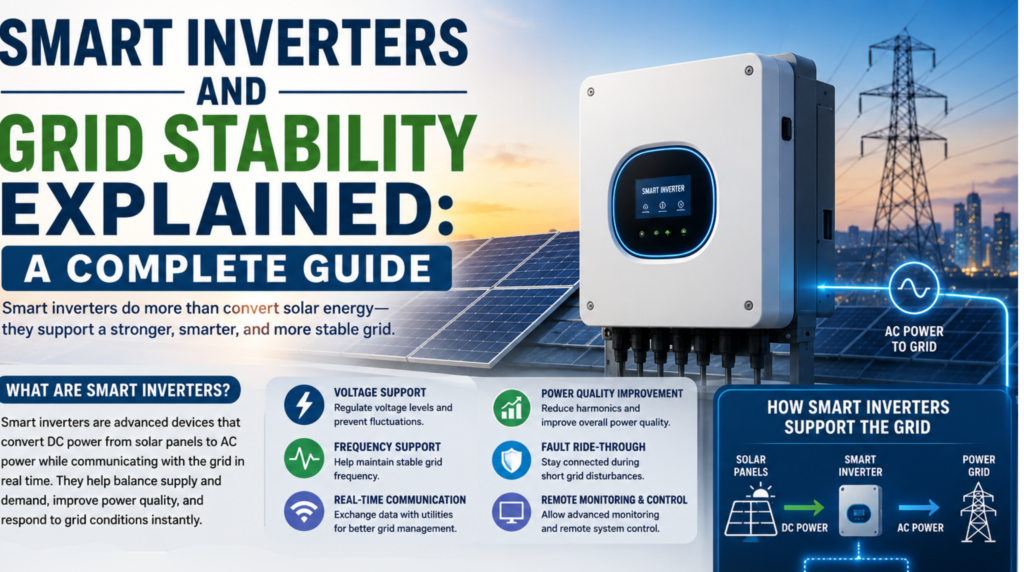
The inverter converts solar-generated DC electricity into usable AC power. Selecting the right inverter technology significantly affects overall system performance.
Popular inverter options include:
String Inverters
- Cost-effective
- Suitable for uniform installations
- Easier maintenance
Central Inverters
- Ideal for large commercial projects
- Lower cost per watt
- High efficiency
Microinverters
- Panel-level optimization
- Better shading tolerance
- Enhanced monitoring
Roof Structure and Engineering Considerations
Commercial rooftops must be structurally capable of supporting solar equipment throughout the system’s lifespan.
Engineering assessments should evaluate:
- Roof load-bearing capacity
- Wind resistance
- Seismic considerations
- Waterproofing integrity
- Mounting system requirements
Ignoring structural analysis can lead to costly issues in the future.
How RVK Solar Protects Your Investment
RVK Solar performs detailed structural assessments and uses high-quality mounting systems engineered for long-term safety and durability.
Shading Analysis and Performance Optimization
Even minor shading can significantly impact solar energy production.
Potential shading sources include:
- Nearby buildings
- Trees
- Water tanks
- HVAC equipment
- Communication towers
Professional shading analysis hel
Financial Analysis and ROI Planning
A commercial solar project should be evaluated as a long-term investment rather than a simple equipment purchase.
Financial considerations include:
- Initial capital cost
- Electricity savings
- Payback period
- Return on investment
- Government incentives
- Depreciation benefits
- Maintenance expenses
A comprehensive financial model provides decision-makers with a clear understanding of project economics.
Compliance and Regulatory Requirements
Commercial solar installations must comply with local regulations, utility requirements, and safety standards.
Important compliance areas include:
- Electrical safety codes
- Utility interconnection standards
- Net metering regulations
- Fire safety requirements
- Structural approvals
- Environmental regulations
Proper compliance reduces project delays and operational risks.
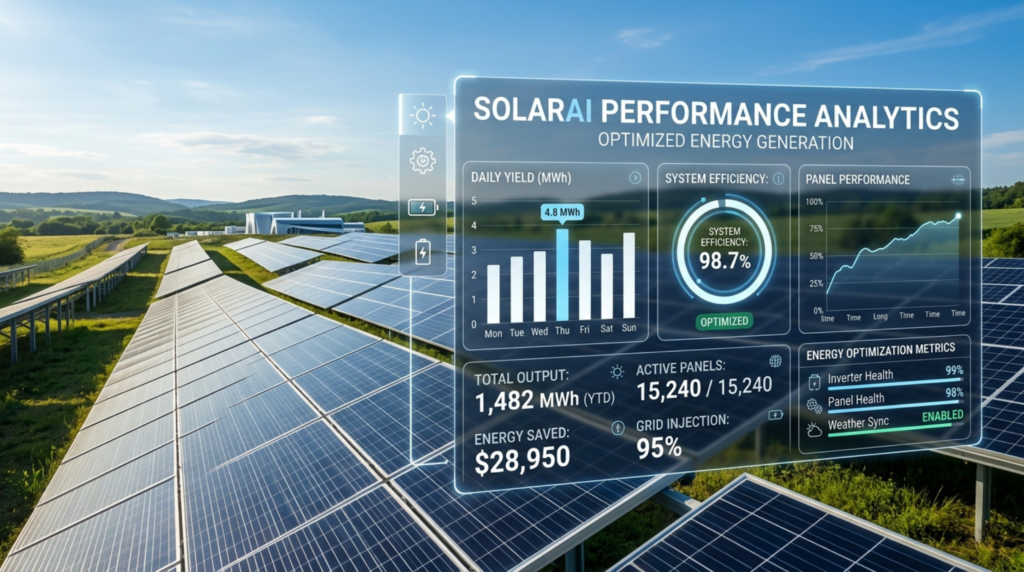
Monitoring and Maintenance Planning
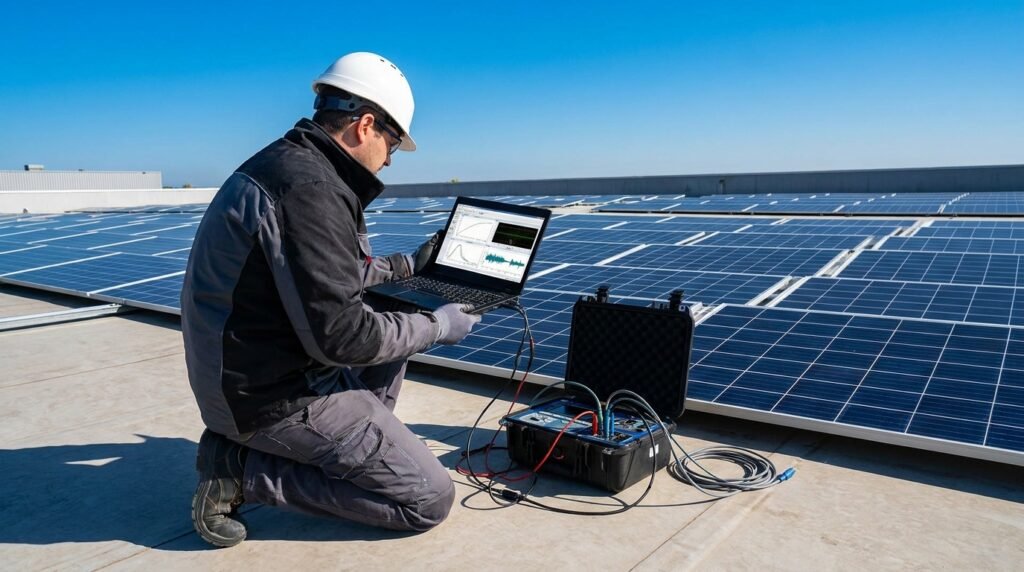
Long-term performance depends on continuous monitoring and proactive maintenance.
A modern monitoring system provides:
- Real-time energy production data
- Performance alerts
- Fault detection
- Energy consumption insights
- Maintenance scheduling support
Regular maintenance helps maintain maximum system efficiency.
Why Businesses Trust RVK Solar
RVK Solar combines engineering expertise, quality equipment, professional installation, and long-term support to deliver reliable commercial solar solutions. Businesses across industries trust RVK Solar because of its expertise in designing and delivering customized solar energy solutions that provide long-term value. With a customer-first approach, RVK Solar carefully analyzes each client’s energy requirements, site conditions, and business objectives to develop systems that maximize efficiency, performance, and cost savings. RVK Solar is known for using high-quality solar panels, advanced inverters, and durable mounting structures that ensure reliable energy generation for years to come. The company’s experienced team manages every stage of the project—from consultation and design to installation and after-sales support—ensuring a smooth and hassle-free experience for customers.
Conclusion:
Understanding the key solar system design considerations for commercial projects is essential for maximizing energy savings, system performance, and long-term profitability. Every aspect of system design—from site assessment and energy analysis to equipment selection and financial planning—plays a critical role in project success. Businesses that invest in proper solar design can significantly reduce operating costs while improving sustainability and energy independence. A well-designed commercial solar system begins with a detailed assessment of the site’s energy requirements and physical conditions. Factors such as roof orientation, shading analysis, structural integrity, local climate, and future energy expansion plans play a significant role in determining the most suitable system configuration. Choosing high-quality components—including solar modules, inverters, mounting structures, and monitoring systems—can significantly impact system efficiency, durability, and maintenance costs over the project’s lifespan. Financial considerations are equally important. Businesses must evaluate installation costs, available incentives, financing options, payback periods, and projected energy savings before making investment decisions. A comprehensive financial analysis helps organizations understand the long-term value of solar energy and supports informed decision-making. Partnering with an experienced solar provider ensures that your investment delivers maximum value for decades.
FAQs:
1. What is the most important factor in commercial solar system design?
Site assessment and energy consumption analysis are among the most important factors because they determine system sizing, performance, and ROI.
2. How long does a commercial solar system last?
Most commercial solar systems have a lifespan of 25 to 30 years, with many components continuing to perform beyond that period.
3. How do I determine the right solar system size for my business?
The ideal size depends on your electricity consumption, available installation space, budget, and future expansion plans.
4. Can commercial solar systems work during cloudy weather?
Yes. Solar panels continue generating electricity during cloudy conditions, although output may be reduced compared to sunny days.
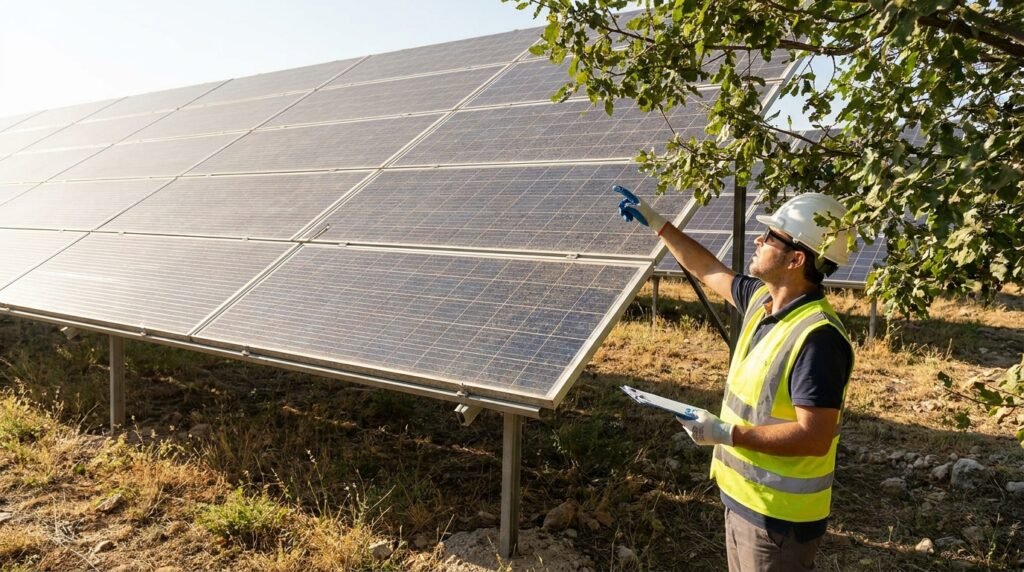
5. Is maintenance required for commercial solar systems?
Yes. Routine inspections, cleaning, and performance monitoring help maintain maximum efficiency and system reliability.