Introduction:
Understanding Solar Energy as a Long-Term Asset
An expense is something that continuously drains money without generating future value. An asset, on the other hand, creates long-term financial returns, operational advantages, and future security.
Solar energy fits the definition of an asset because once the system is installed, it continues producing electricity for 25 years or more. During this period, the owner benefits from reduced electricity bills, lower dependency on grid power, and predictable energy costs.
Unlike traditional electricity consumption where payments continue every month without ownership, solar systems provide direct ownership of power generation.
This shift changes the entire perspective of energy usage.
Instead of paying continuously for electricity, businesses and homeowners begin producing their own energy while reducing long-term operating expenses.
That is why solar energy as a long-term asset is becoming a major topic in modern energy planning.
Rising Electricity Costs Are Changing Investment Decisions
Electricity tariffs in India have increased steadily over the past decade due to rising fuel prices, infrastructure costs, and growing energy demand.
For commercial and industrial sectors, electricity expenses often represent a significant portion of operational costs. Even residential consumers are experiencing increasing monthly electricity bills, especially with the rising use of air conditioning, appliances, and digital devices.
Solar energy offers protection against future energy inflation.
Once a solar system is installed, a large percentage of electricity consumption can be offset through self-generated power. This creates long-term financial stability and predictable operational costs.
Many businesses now evaluate solar investments not only based on environmental benefits but also on long-term economic performance.
A solar installation can continue delivering savings year after year, making it one of the most reliable infrastructure investments available today.
How Solar Creates Long-Term Financial Value
Continuous Electricity Savings
The biggest financial advantage of solar energy comes from reduced electricity bills.
A properly designed solar system can significantly lower monthly power expenses for homes, offices, factories, and commercial buildings.
Over a period of 20 to 25 years, these savings can exceed several times the original installation cost.
This makes solar one of the few investments that directly generates operational savings every single day.
Return on Investment (ROI)
Many businesses now treat solar installations as long-term capital investments because of their strong return on investment.
The average payback period for commercial solar projects in India is often between 3 to 6 years, depending on energy consumption and system size.
After the payback period, the electricity generated by the system becomes essentially free, apart from minimal maintenance costs.
This transforms solar energy into a revenue-saving asset that improves financial performance over time.
Solar Energy Increases Property Value
Another reason why solar energy as a long-term asset is gaining popularity is its impact on property valuation.
Properties equipped with solar systems are increasingly viewed as modern, energy-efficient, and future-ready.
Commercial properties with lower operational energy costs become more attractive to businesses and investors. Similarly, residential properties with rooftop solar systems often attract buyers looking for reduced utility expenses.
In many cases, solar installations improve the market competitiveness of a property while enhancing its long-term investment value.
As awareness around sustainability grows, energy-efficient infrastructure will likely become even more valuable in the future.
Solar Supports Energy Independence
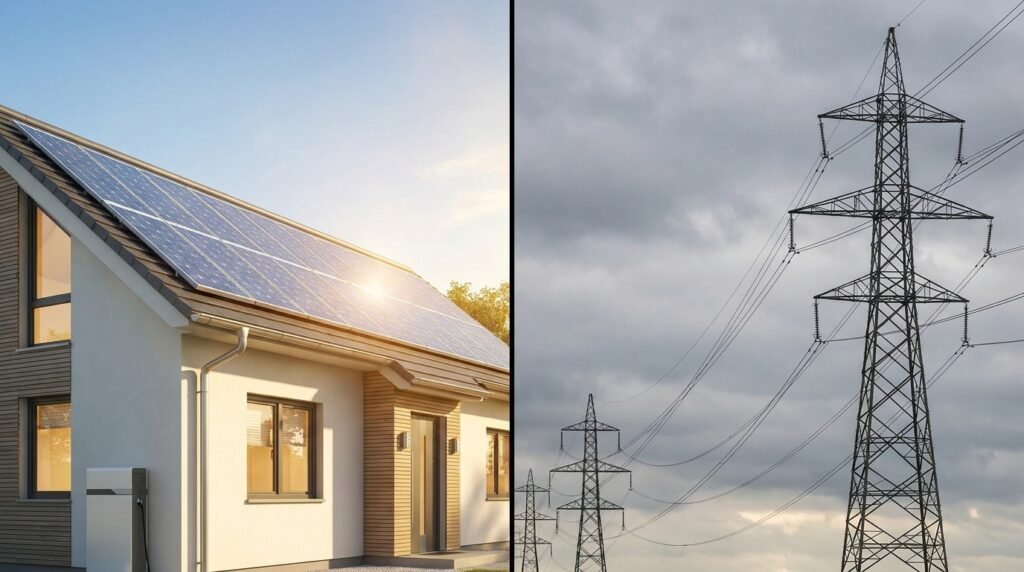
Dependence on traditional electricity grids exposes consumers to power outages, rising tariffs, and energy supply instability.
Solar energy allows individuals and businesses to generate electricity independently.
This energy independence has become increasingly important in today’s uncertain global energy environment.
Industries that rely heavily on uninterrupted power are now investing in solar to improve operational reliability and reduce dependence on fluctuating energy markets.
In regions with unstable grid infrastructure, solar systems combined with battery storage provide an additional layer of energy security.
This is one of the reasons why businesses across India are accelerating solar adoption.
Solar Is a Strategic Business Investment
Forward-thinking businesses no longer see solar as merely an environmental initiative. They view it as a strategic infrastructure investment.
Solar energy contributes to:
- Reduced operational costs
- Better financial forecasting
- Improved sustainability performance
- Lower carbon emissions
- Stronger ESG compliance
- Enhanced brand reputation
Many global investors and customers now prefer companies that actively adopt renewable energy practices.
This means solar investments can also strengthen corporate positioning and long-term competitiveness.
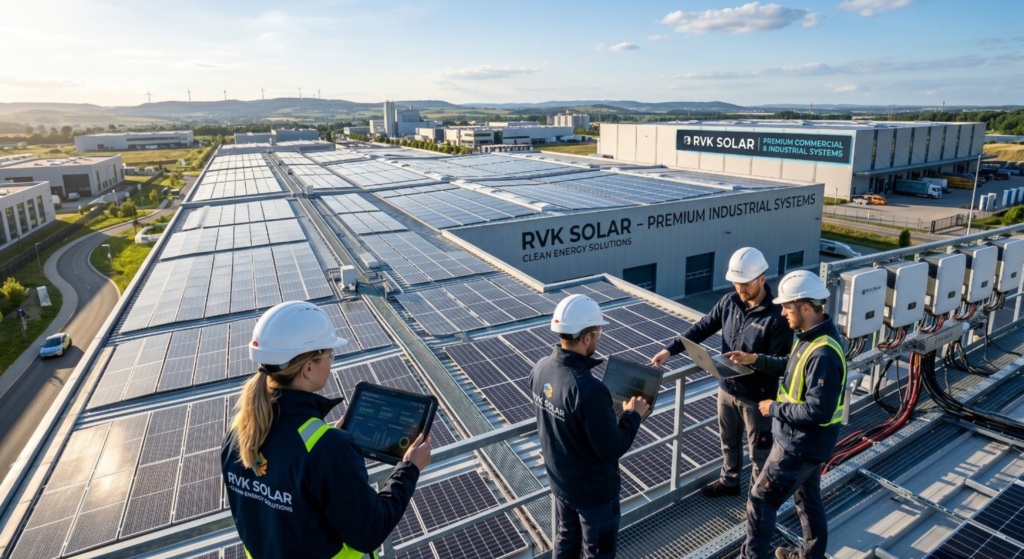
At RVK Solar, commercial and industrial solar solutions are designed to help businesses maximize efficiency while achieving sustainable growth.
Technological Advancements Are Improving Solar Value
Solar technology has advanced significantly over the last decade.
Modern solar panels are now more efficient, durable, and cost-effective than ever before. Innovations in inverters, monitoring systems, and battery storage are making solar systems smarter and more reliable.
Today’s solar systems offer:
- Higher power generation efficiency
- Longer operational lifespan
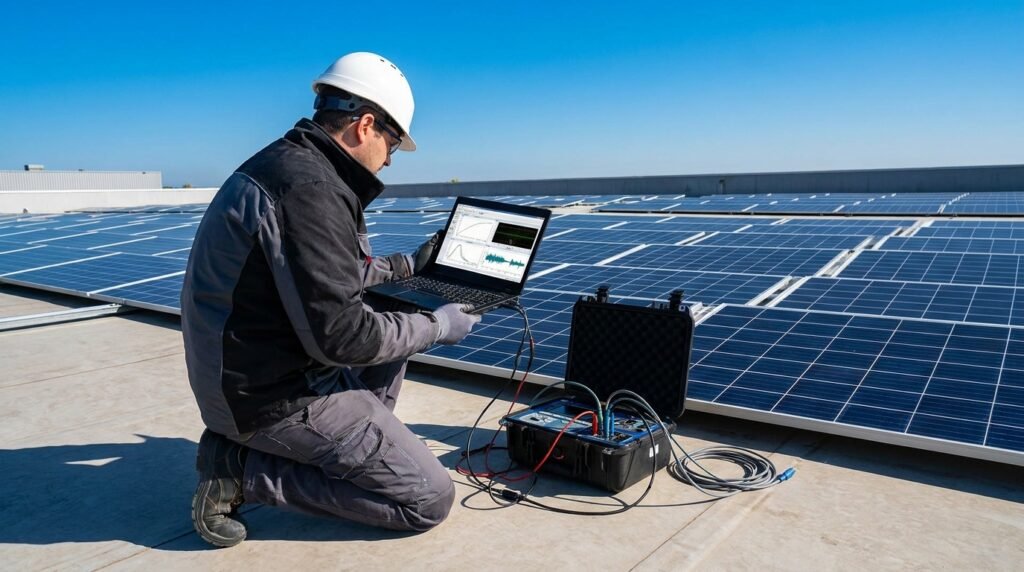
- Better performance monitoring
- Reduced maintenance requirements
- Improved energy storage capabilities
These advancements further strengthen the position of solar energy as a long-term asset rather than a temporary solution.
Environmental Benefits Add Long-Term Economic Value
Beyond financial returns, solar energy also delivers major environmental benefits.
Traditional electricity generation based on fossil fuels contributes heavily to pollution and climate change. Environmental risks can eventually create economic instability through rising health costs, regulatory pressure, and resource scarcity.
Solar energy supports cleaner development by reducing dependence on non-renewable energy sources.
This creates long-term social and economic value for future generations.
Businesses adopting solar today are not only improving profitability but also contributing to a more sustainable energy future.
Why the Shift Toward Solar Is Accelerating in India
India is witnessing rapid growth in renewable energy adoption due to increasing energy demand and government support.
Several factors are driving this shift:
- Rising electricity prices
- Government subsidy programs
- Net metering policies
- Corporate sustainability initiatives
- Improved solar affordability
- Growing environmental awareness
As solar infrastructure expands, the perception of solar as an “expense” is disappearing.
Instead, it is increasingly viewed as a high-value long-term investment.
The growing focus on solar energy as a long-term asset reflects a larger transformation in how people think about energy consumption and financial planning.
Why Choose RVK Solar
Selecting the right solar partner is essential for achieving maximum long-term value.
RVK Solar provides advanced solar solutions tailored to residential, commercial, and industrial requirements.
Key benefits include:
- Customized solar system design
- Professional engineering and installation
- High-quality solar technology
- Performance optimization
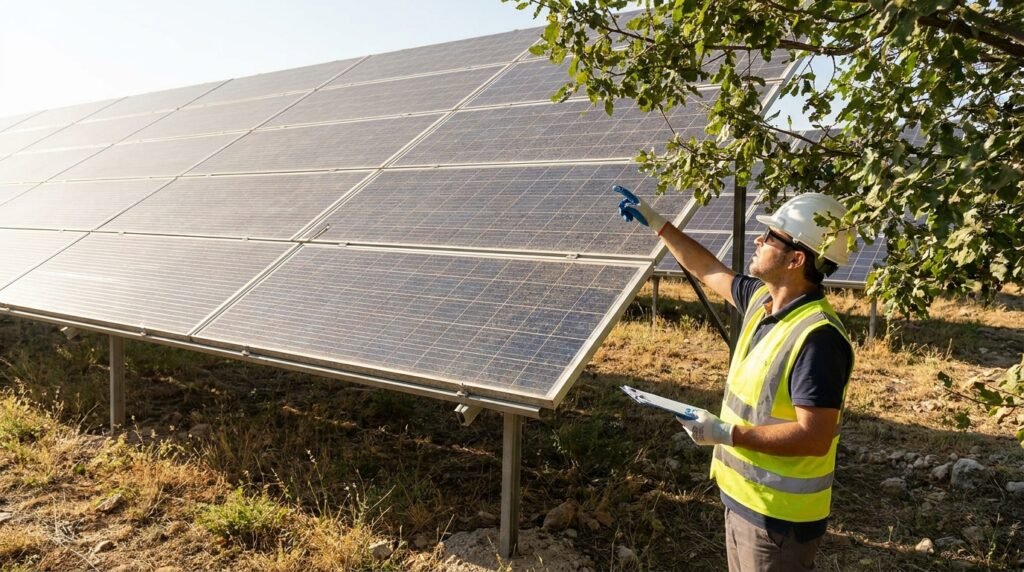
- Long-term maintenance support
Whether you want to reduce electricity bills, improve sustainability, or strengthen energy independence, RVK Solar helps deliver reliable and future-ready energy solutions.
Visit: RVK Solar Official Website
Conclusion
The way people think about energy is changing rapidly. Solar energy is no longer just an alternative power source — it has become a strategic financial and operational asset.
From reducing electricity costs and increasing property value to improving energy independence and supporting sustainability, solar delivers long-term advantages that continue for decades.
As electricity demand and energy costs continue to rise, investing in solar today can create significant long-term savings and future security.
The growing recognition of solar energy as a long-term asset reflects the future of smart energy management.
If you are ready to invest in sustainable and cost-effective solar solutions, RVK Solar can help you transition toward a more energy-efficient future.
Explore more at RVK Solar Website
FAQs:
1. Why is solar energy considered a long-term asset?
Solar systems generate electricity for 25 years or more, reducing electricity costs and delivering long-term financial savings.
2. Does solar increase property value?
Yes. Properties with solar systems are often viewed as energy-efficient and more attractive to buyers and investors.
3. Is solar a good investment for businesses?
Yes. Commercial solar systems help reduce operational costs, improve ROI, and support sustainability goals.
4. How long does a solar system last?
Most high-quality solar panels have a lifespan of 25–30 years with proper maintenance.
5. Why choose RVK Solar?
RVK Solar offers reliable solar solutions with professional installation, advanced technology, and long-term support services.