Introduction: Why Your Carbon Footprint Matters
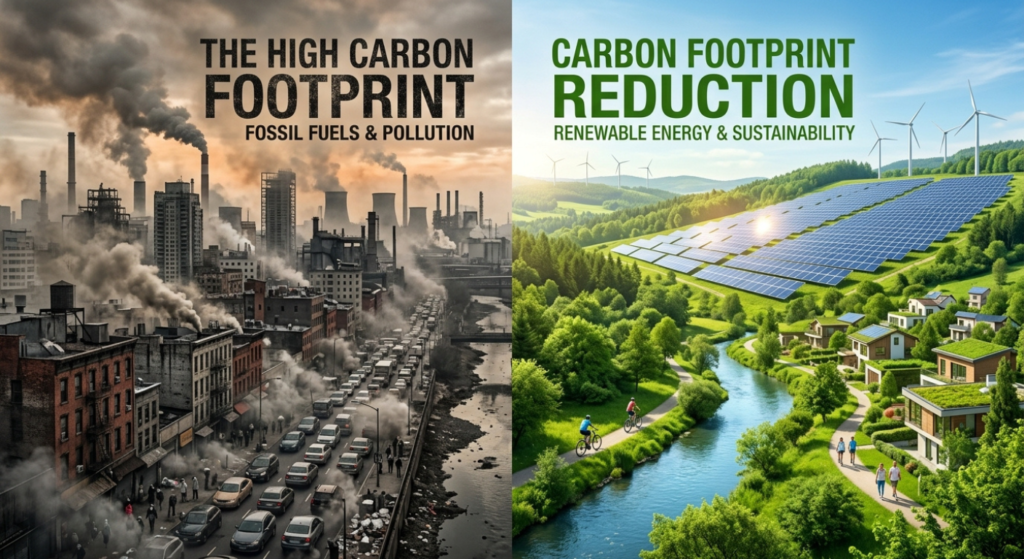
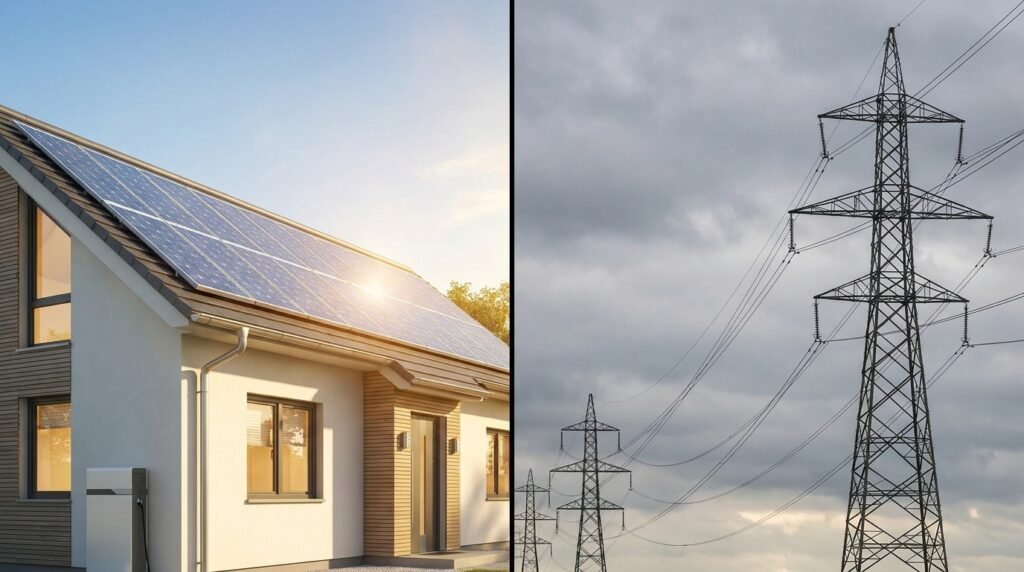
The electricity we use is largely generated from fossil fuels like coal and gas, which release harmful carbon emissions into the atmosphere. These emissions are one of the main reasons behind rising temperatures, polluted air, and unpredictable climate changes that are already affecting our daily lives. That’s why understanding and reducing your carbon footprint is no longer optional—it has become a necessity for a healthier future. This is where carbon footprint reduction with solar panels becomes a smart and practical solution, helping individuals and businesses shift toward clean, renewable energy while lowering their environmental impact. By choosing solar energy, you are not only reducing pollution but also taking control of your energy costs and long-term sustainability. Trusted providers like RVK Solar make this transition easy by offering customized solar solutions, high-quality technology, and complete installation support. Whether you are a homeowner or a growing business like Complete Advertising Agency, RVK Solar helps you reduce electricity bills, minimize carbon emissions, and build a strong eco-friendly image. With their reliable and low-maintenance systems, you can enjoy clean energy for decades while actively contributing to a greener planet. In simple terms, reducing your carbon footprint today is an investment in a cleaner, smarter, and more sustainable tomorrow—and RVK Solar helps you achieve that effortlessly.
What is a Carbon Footprint?
Your carbon footprint refers to the total amount of greenhouse gases—primarily carbon dioxide (CO₂)—that are released into the atmosphere due to your activities.
Major Sources of Carbon Emissions
- Electricity consumption from fossil fuels
- Transportation (cars, flights, etc.)
- Industrial and commercial operations
- Household energy usage
How Solar Panels Help in Carbon Footprint Reduction
1. Clean and Renewable Energy Source
Solar panels generate electricity using sunlight, which is a completely renewable resource. Unlike fossil fuels, solar energy does not release harmful greenhouse gases.
Impact:
- Zero emissions during operation
- Reduces dependency on coal-based electricity
- Supports sustainable energy transition
2. Significant Reduction in CO₂ Emissions
By switching to solar, households and businesses can cut down a large portion of their carbon emissions.
Example:
- A typical home solar system can reduce 3–4 tons of CO₂ annually
- Over 20 years, this equals planting hundreds of trees
3. Decreases Dependence on Fossil Fuels
Traditional electricity relies heavily on coal and natural gas. Solar panels reduce this dependency.
Benefits:
- Less air pollution
- Reduced environmental degradation
- Lower greenhouse gas emissions
4. Energy Efficiency and Sustainability
Modern solar systems are designed for maximum efficiency, ensuring that you get the most energy output with minimal environmental impact.
Key Benefits of Carbon Footprint Reduction with Solar Panels
Environmental Benefits
- Reduces greenhouse gas emissions
- Helps combat climate change
- Promotes cleaner air and water
Financial Benefits
- Lower electricity bills
- Government subsidies and incentives
- Increased property value
Social Benefits
- Encourages sustainable living
- Creates green jobs
- Supports energy independence
Why Solar Energy is the Future
The demand for renewable energy is rapidly increasing, especially in countries like India where sunlight is abundant. Solar energy is becoming more affordable and accessible, making it the preferred choice for eco-conscious individuals and businesses.
Reasons Behind Growing Popularity
- Falling installation costs
- Government support and policies
- Increased environmental awareness
- Technological advancements
How Businesses Can Benefit from Solar Panels
For companies like Complete Advertising Agency, adopting solar energy is not just an environmental decision—it’s a smart business strategy.
Advantages for Businesses
- Reduced operational costs
- Strong brand image as an eco-friendly company
- Long-term energy security
- Tax benefits and incentives
Economic Impact of Carbon Footprint Reduction with Solar Panels
One of the most overlooked aspects of carbon footprint reduction with solar panels is its strong economic advantage. While the initial installation cost may seem significant, the long-term savings are substantial. Solar panels can drastically reduce or even eliminate electricity bills, providing financial relief over time. Moreover, governments in India offer subsidies, tax benefits, and incentives to promote solar adoption, making it even more affordable. Businesses, including agencies like Complete Advertising Agency, can also benefit from reduced operational costs and improved profitability. Over a period of 5–7 years, most solar systems pay for themselves, after which the energy generated is essentially free.
Role of Solar Energy in Urban and Rural Development
Solar energy plays a crucial role in bridging the gap between urban and rural development. In urban areas, it helps reduce electricity demand from overloaded grids, while in rural regions, it provides access to reliable and affordable power. This is especially important in remote areas where traditional electricity infrastructure is limited or unavailable. By enabling decentralized energy production, solar panels empower communities and support economic growth. Carbon footprint reduction with solar panels in these regions also contributes to cleaner living conditions and improved quality of life.
How Solar Energy Enhances Brand Value for Businesses
In today’s competitive market, sustainability is not just an option—it’s a necessity. Businesses that adopt solar energy demonstrate a commitment to environmental responsibility, which resonates strongly with modern consumers. Companies like Complete Advertising Agency can leverage solar adoption as part of their branding strategy, showcasing their dedication to reducing carbon emissions. This not only improves brand reputation but also builds trust and loyalty among customers. Additionally, many clients prefer to work with environmentally conscious businesses, giving solar-powered companies a competitive edge.
Make the Right Solar Choice
Choosing RVK Solar is a step toward smarter energy consumption, lower costs, and a healthier environment. As awareness about sustainability grows, more individuals and businesses are realizing the importance of switching to solar power. With expert guidance, advanced technology, and customer-centric services, RVK Solar makes it easier than ever to embrace clean energy and achieve meaningful carbon footprint reduction with solar panels.
Conclusion:
In a world where environmental challenges are growing rapidly, making conscious energy choices has never been more important. Carbon footprint reduction with solar panels is not just a trend—it is a powerful step toward building a sustainable and responsible future. By switching to solar energy, individuals and businesses can significantly reduce harmful emissions, lower electricity costs, and contribute to a cleaner environment without compromising on their energy needs. It’s a long-term solution that benefits both your finances and the planet. Choosing the right solar partner plays a crucial role in this journey, and that’s where RVK Solar makes a real difference. With their advanced technology, customized solutions, and end-to-end support, they make it easy for anyone to adopt solar energy with confidence. Whether you want to reduce your household expenses or strengthen your brand image like Complete Advertising Agency, RVK Solar provides a reliable path toward sustainability.
FAQs
1. How much carbon footprint can solar panels reduce?
Solar panels can reduce up to 80% of your household carbon emissions depending on your energy usage.
2. Are solar panels worth it in India?
Yes, due to abundant sunlight, government subsidies, and rising electricity costs.
3. How long do solar panels last?
Most solar panels last 20–25 years with minimal maintenance.
4. Do solar panels require a lot of maintenance?
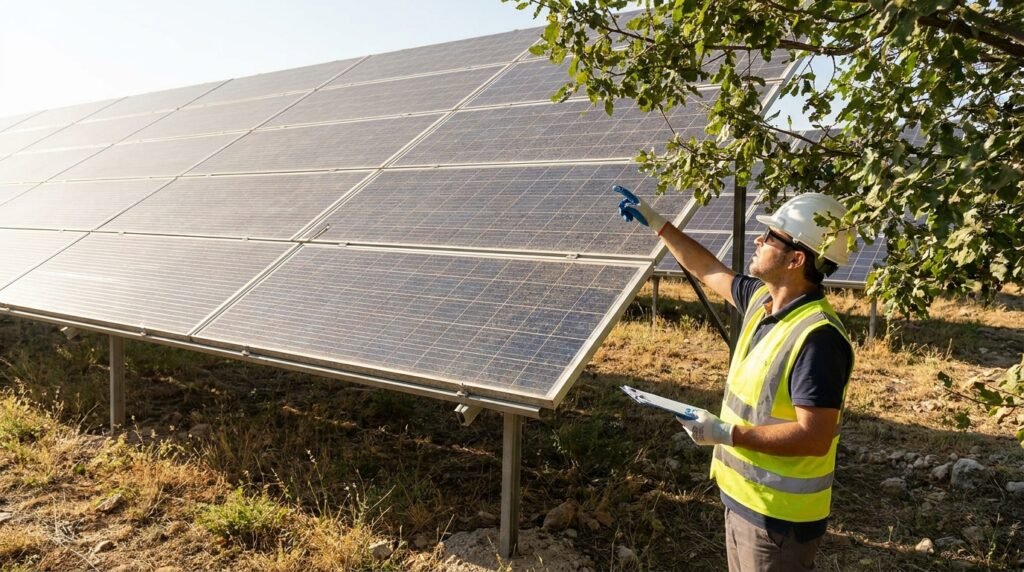
No, occasional cleaning and periodic checks are sufficient.
5. Can businesses benefit from solar energy?
Absolutely. Businesses can reduce costs, improve brand reputation, and contribute to sustainability.