Introduction: Why Solar Energy Cost Savings for Industries Are a Game-Changer
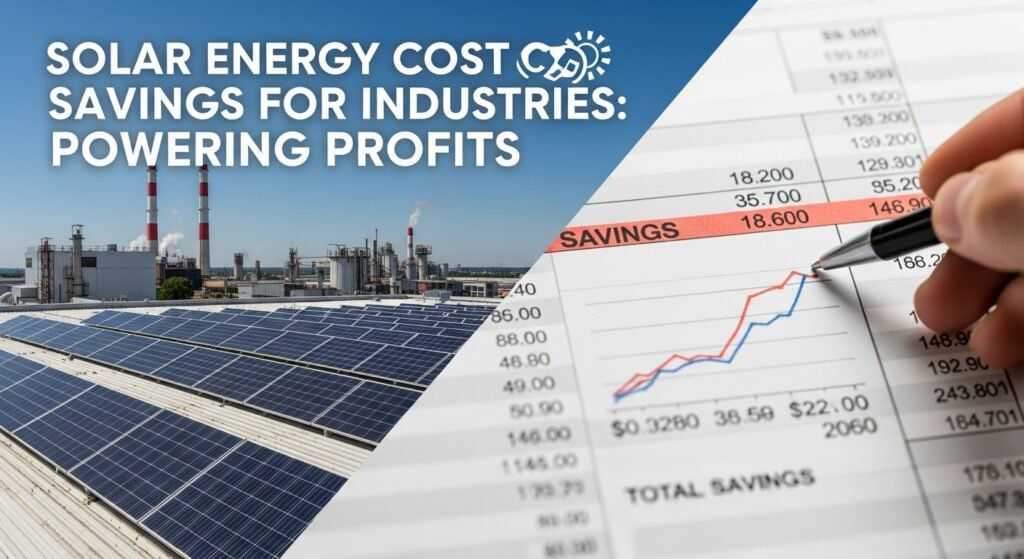
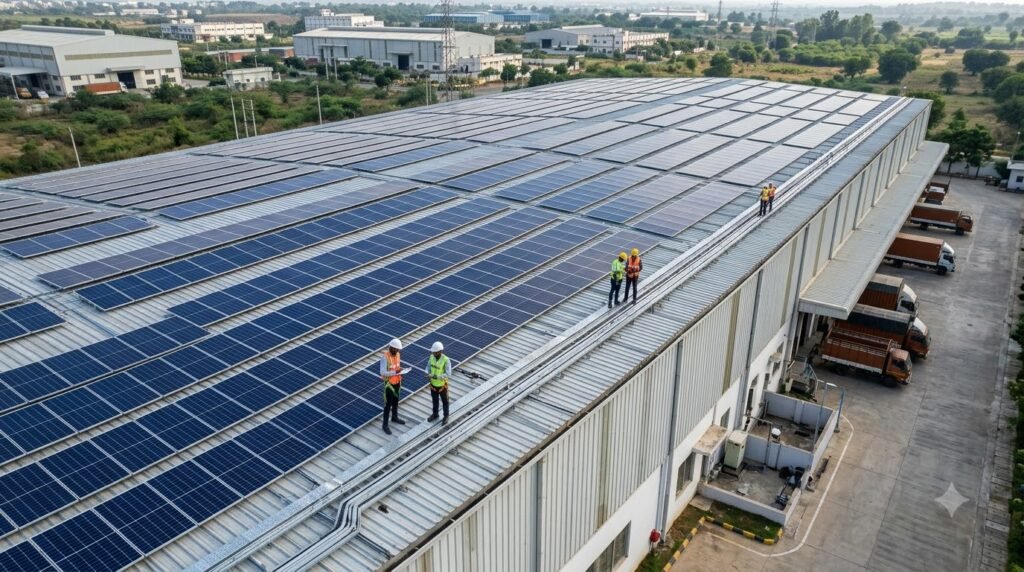
Rising electricity prices and increasing pressure to adopt sustainable practices are pushing industries to rethink how they power their operations. One solution that is rapidly transforming the industrial energy landscape is solar energy. By harnessing the power of the sun, industries can significantly reduce operational costs while also strengthening their sustainability commitments.
Industries operate with heavy machinery, large facilities, and continuous production cycles that require a stable and affordable power supply. Traditional electricity sources often struggle to provide cost stability due to fluctuating fuel prices and grid limitations. Solar energy offers a reliable and sustainable alternative that empowers industries to take control of their energy needs.
What Are Solar Energy Cost Savings for Industries?
Industrial facilities consume large amounts of electricity for machinery, production lines, lighting, cooling systems, and other operations. Solar power helps reduce these expenses in several key ways:
Why Solar Panel Working Principle Matters
Understanding how solar panels work helps you:
- Make informed decisions
- Maintain your system properly
- Maximize efficiency
- Avoid common mistakes
Interesting Fact About Solar Energy
Solar energy is growing rapidly. India has installed over 70 GW of solar capacity, making it one of the leading countries in renewable energy.
This proves that the Solar Panel Working Principle is not just theory—it works on a massive scale.
Financial Breakdown: Cost Reduction with Solar
Understanding the sources of savings builds confidence in the investment.
Peak Load Management
Peak Load Management refers to strategies and techniques used to reduce electricity demand during peak hours — the times when electricity consumption is at its highest.
Benefits of Peak Load Management:
Reduced electricity bills due to lower peak demand charges.
Improved operational efficiency by better scheduling of equipment and processes.
Enhanced sustainability through lower energy wastage and reduced carbon emissions.
Better grid reliability for the community and business.
Maintenance and Operational Savings
Solar systems require minimal upkeep, have long-lasting components, and reduce operational costs, ensuring reliable energy with lower expenses over time.
- Warranty Protectio
- Remote Monitoring
- Durable Equipment
Solar systems require minimal upkeep, reduce operational costs, and ensure reliable, long-term energy savings for your business.
Tax Advantages & Depreciation Benefits
Claim accelerated depreciation and tax incentives on your solar investment, reducing taxable income and boosting long-term savings.
Businesses can leverage tax incentives and accelerated depreciation on solar investments, reducing taxable income and maximizing long-term savings.
Operational Excellence with Solar
Solar doesn’t just save money — it improves overall business operations.
Boosting Productivity with Solar Systems
Solar energy ensures uninterrupted power supply, reducing downtime and boosting operational efficiency.
Key Points:
Smart Energy for Smooth Operations
Smart energy solutions, like solar systems, ensure seamless operations by providing consistent and efficient power. This reduces disruptions and keeps industrial processes running smoothly.
Major Benefits:
These indirect benefits complement solar energy cost savings for industries.
Sectors Where Solar Energy Delivers Maximum Impact
Solar energy creates the greatest impact in industries that consume large amounts of electricity.
Commercial Buildings and Offices
High Electricity Consumption
Reduced Operational Costs
Utilization of Rooftop Space
Educational Institutions
Warehouses and Logistics Centers
High Energy Demand for Operations
Reduced Electricity Costs
Improved Energy Efficiency
Agriculture and Farming Sector
Advantages of Solar Panels
- Clean and renewable energy
- Reduces electricity bills
- Low maintenance
- Long lifespan up to 25 years
- Eco-friendly solution
Common Misconceptions About Solar Panels
1: Solar Panels Only Work in Extreme Heat
Truth: They work on sunlight, not heat.
2: Solar Panels Do Not Work in Cloudy Weather
Truth: They still generate electricity, just at a lower rate.
3: Solar Technology Is Too Complicated
Truth: The Solar Panel Working Principle is simple and easy to understand.
Tips to Improve Solar Panel Efficiency
- Install panels in the right direction
- Clean panels regularly
- Avoid shaded areas
- Use high-quality components
- Monitor performance regularly
About RVK Solar: Your Trusted Solar Partner
If you are planning to install solar panels in Ganj Basoda, RVK Solar is here to help.
Location:
H.no.1, Semar Wali Gali, Mill Road, Ganj Basoda, Dist: Vidisha (M.P.) – 464221
Website:
https://rvksolar.com/
You can also search on Google to learn more:
https://www.google.com/
FAQs
1. What is the solar panel working principle in simple words?
It is the process of converting sunlight into electricity using solar cells through the photovoltaic effect.
2. Do solar panels work at night?
No, solar panels need sunlight. At night, electricity comes from stored energy or the grid.
3.Can solar panels work during cloudy days?
Yes, they work but produce less electricity compared to sunny days.
4. How long do solar panels last?
Most solar panels last 20–25 years with proper maintenance.
5. Is solar energy suitable for homes in Ganj Basoda?
Yes, the region receives good sunlight, making solar panels highly effective.