Solar Panel Maintenance — Simple Habits That Keep Your System Running at Peak Output

solar panel maintenance

A Little Care Goes a Long Way

Good solar panel maintenance is one of the biggest reasons solar energy remains so low-hassle compared to other power systems. Still, “low maintenance” doesn’t mean “no maintenance.” A few simple habits can make a real difference in how much electricity your system produces over its lifetime — and how long it lasts before any part needs servicing.

At RVK Solar, ongoing maintenance is part of our end-to-end service, but here’s what every solar panel owner should know to keep their system performing at its best between service visits.

Why Solar Panel Maintenance Matters More Than People Think

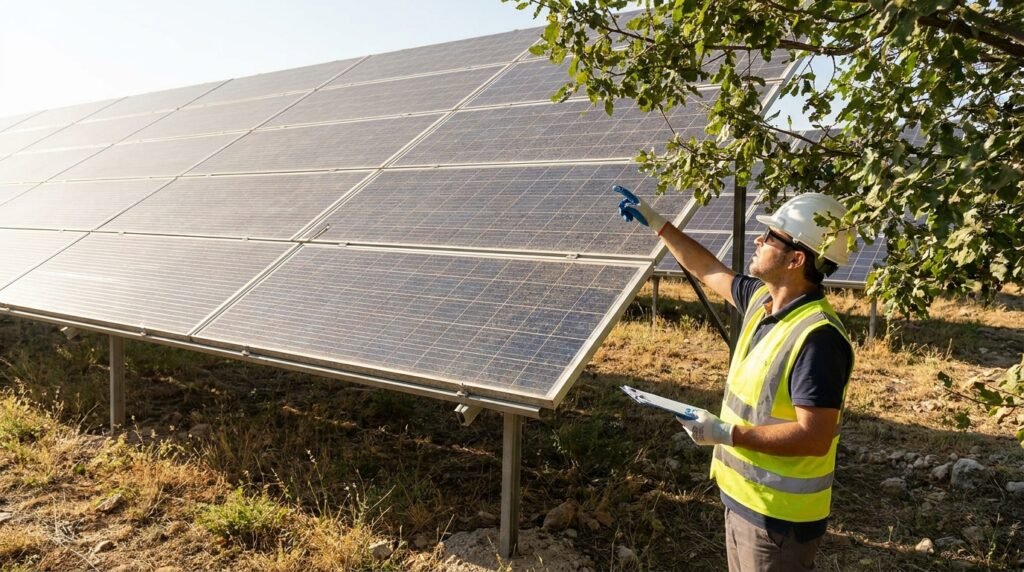
It’s easy to assume that once solar panels are installed, they’ll simply keep working at full efficiency indefinitely. In reality, dust accumulation alone can reduce panel output by a noticeable margin over time, and small issues — like a loose connection or a developing shading problem — tend to worsen if left unaddressed. Regular solar panel maintenance isn’t about fixing something broken; it’s about protecting the performance and lifespan of an investment you’re relying on for decades. For a deeper technical reference, the U.S. Department of Energy’s solar O&M resource page outlines best practices used across the industry.

Essential Maintenance Practices

Keep the Panels Clean Dust, pollen, bird droppings, and leaves can settle on panels and block sunlight, reducing energy output. Regular cleaning — especially in dry or dusty regions — helps panels absorb sunlight efficiently. In areas with heavy dust or minimal rainfall, cleaning may need to happen more frequently than in regions with regular rain.

Watch for Shading Growing trees or new structures can gradually cast shadows on panels that weren’t shaded during installation. Periodically check that nothing is blocking direct sunlight during peak hours, since even partial shading on one panel can disproportionately affect overall system output.

Monitor System Performance Most solar systems come with monitoring tools that show daily energy generation. A sudden or gradual drop in output is often the first sign that something needs attention — comparing current generation against the same period last year is a useful way to spot trends.

Inspect Wiring and Connections Loose connections or worn cables can affect system efficiency and, in rare cases, pose safety risks. Professional inspections help catch these issues early, before they escalate into costlier repairs.

Check After Extreme Weather Heavy storms, hailstorms, or strong winds can occasionally shift panel mounting or damage components. A quick visual check after severe weather is a good habit, and any visible damage should be reported to your service provider promptly.

Schedule Professional Servicing While basic cleaning can be done independently, a professional inspection once or twice a year ensures inverters, wiring, and structural mounts are all functioning correctly, catching issues that aren’t visible from a casual glance.

Keep an Eye on the Inverter The inverter is one of the more critical — and shorter-lived — components in a solar system. Check for error lights or unusual sounds, and don’t ignore inverter alerts, as they often signal issues affecting overall system output.

Building a Solar Panel Maintenance Schedule

Maintenance needs can shift with the seasons. In dustier or drier months, panels may need more frequent cleaning. During monsoon or rainy seasons, it’s worth checking for debris buildup after storms and ensuring drainage around mounting structures isn’t causing water pooling. A basic solar panel maintenance schedule — cleaning every few months, a professional inspection once or twice a year, and a quick check after any severe weather event — covers most homeowners’ needs without requiring constant attention.

Signs Your System May Need Professional Attention

  • Noticeable drop in energy production compared to previous months
  • Visible cracks, discoloration, or physical damage on panels
  • Unusual noises or error alerts from the inverter
  • Panels that appear loose or misaligned after weather events
  • A sudden spike in your electricity bill despite consistent solar generation reports

How RVK Solar Supports You Long After Installation

Solar systems are a decades-long investment, and their performance depends heavily on consistent upkeep. That’s why RVK Solar doesn’t stop at installation — our maintenance plans include scheduled inspections, performance monitoring, cleaning guidance, and prompt support whenever an issue arises, so your system keeps delivering maximum energy output year after year. We aim to catch small issues before they turn into expensive problems, protecting both your system’s performance and your long-term savings.

FAQs:
1. How often should solar panel maintenance be done?

Cleaning frequency depends on your local environment, but most systems benefit from cleaning every few months, or more often in dusty or high-pollen areas, alongside a professional inspection once or twice a year.

2. Can I clean solar panels myself, or do I need a professional?

Basic surface cleaning with water and a soft cloth can often be done by homeowners, but professional cleaning and inspection are recommended periodically for a thorough check.

3. How do I know if my solar system's output has dropped?

Most systems include a monitoring app or dashboard that tracks daily energy generation, making it easy to spot unusual dips in performance.

4. Does rain help keep solar panels clean?

Rain can help wash away light dust, but it usually isn’t enough to remove stubborn dirt, bird droppings, or built-up grime, so manual cleaning is still needed periodically.

5. How long do solar inverters typically last?

Inverters generally have a shorter lifespan than panels and may need replacement or servicing after 10-15 years, depending on usage and quality.

Recent Blogs

How to Choose the Right Solar Company — A Practical Checklist Before You Sign a Contract

How to Choose the Right Solar Company — A Practical Checklist Before You Sign a Contract

Home Blog Your Solar System Is Only as Good as the Company Behind It Knowing…
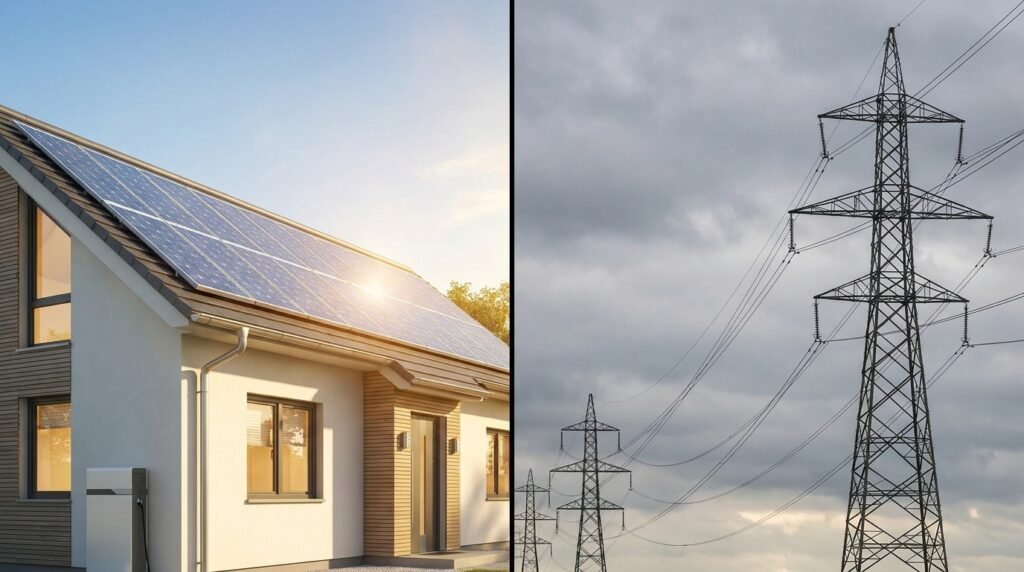
Solar Power vs. Traditional Grid Electricity — Which One Really Saves You More?

Solar Power vs. Traditional Grid Electricity — Which One Really Saves You More?

Home Blog Two Ways to Power Your Property, One Clear Winner Over Time When it…

Solar Panel Maintenance — Simple Habits That Keep Your System Running at Peak Output

Solar Panel Maintenance — Simple Habits That Keep Your System Running at Peak Output

Home Blog A Little Care Goes a Long Way Good solar panel maintenance is one…
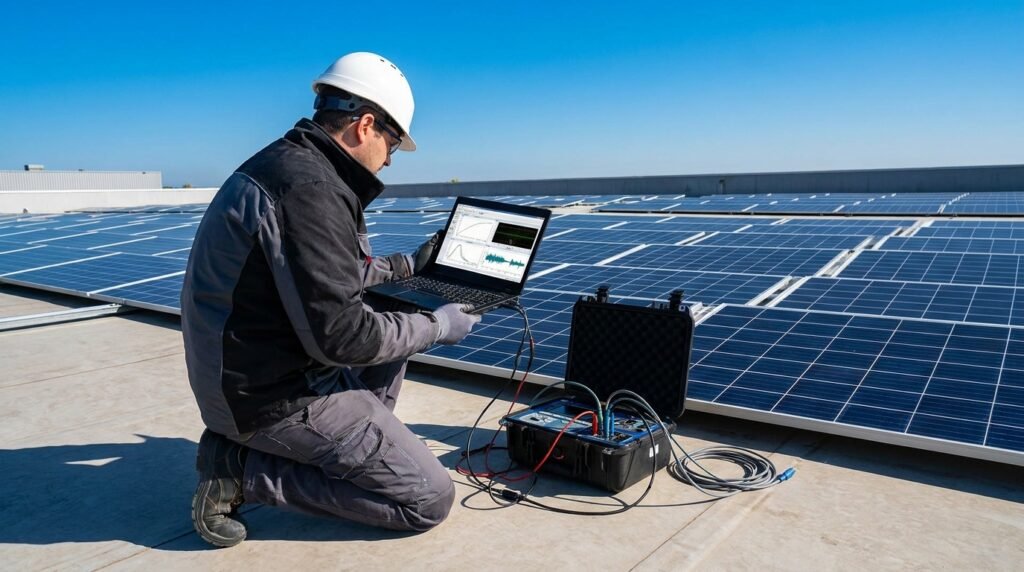
Commercial Solar Power Systems — Cutting Business Energy Costs the Smart Way

Commercial Solar Power Systems — Cutting Business Energy Costs the Smart Way

Home Blog Turning Rooftops Into Revenue Savers A well-designed commercial solar panel system is one…
Why Switching to Solar Energy Is the Smartest Investment for Your Home

Why Switching to Solar Energy Is the Smartest Investment for Your Home

Home Blog Power Your Home the Smarter Way Installing solar panels for home use is…
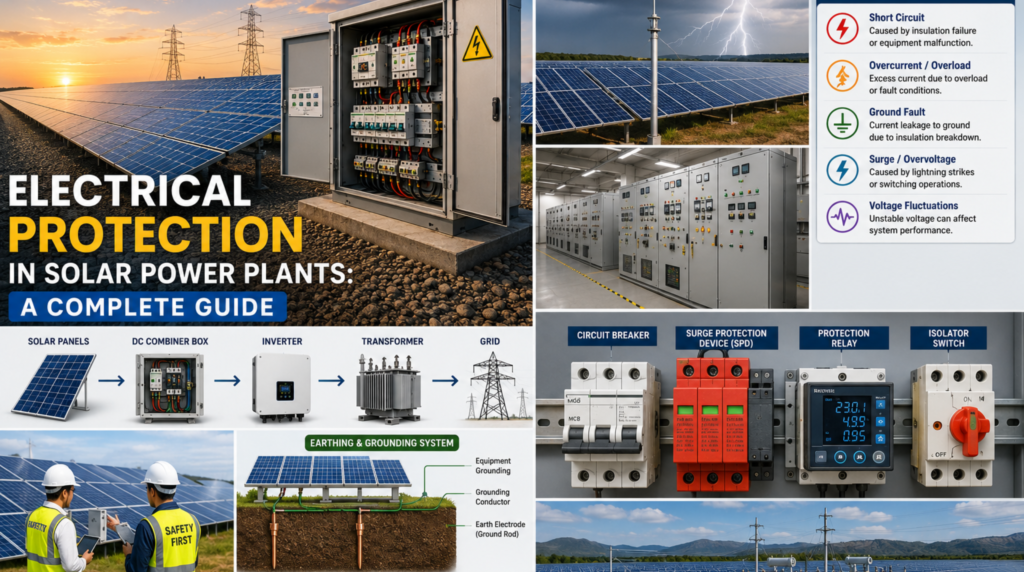
Electrical Protection in Solar Power Plants: A Complete Guide

Electrical Protection in Solar Power Plants: A Complete Guide

Home Blog Introduction: As solar energy continues to play a vital role in the global…

Get a free consultation