Introduction: Why Return On Investment Matters in Solar Energy Adoption
When homeowners consider switching to solar energy, one question always comes first: What is the return on investment solar power can actually deliver? Solar panels are not just an eco-friendly upgrade — they are a long-term financial decision that can significantly impact your monthly expenses and home value.
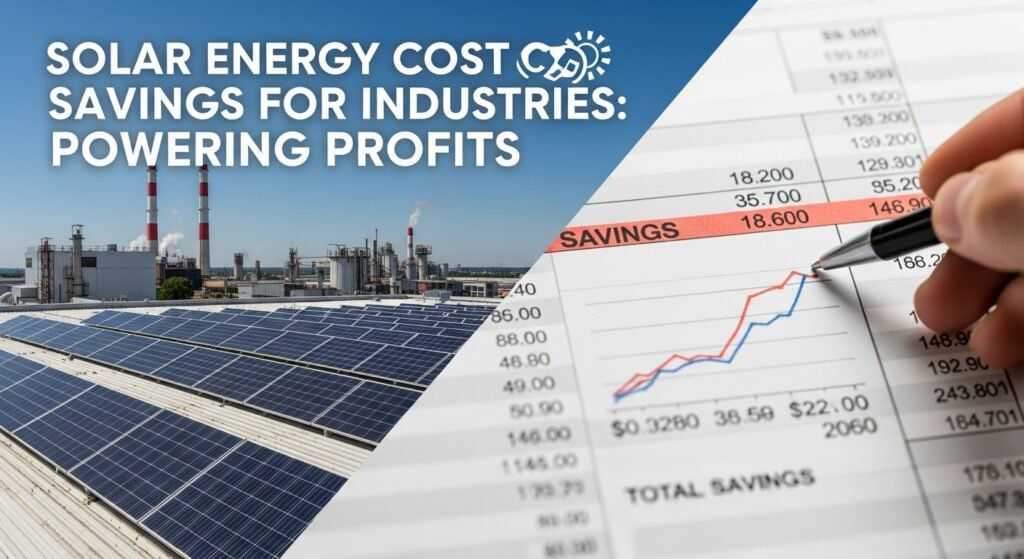
With rising electricity costs and increasing demand for sustainable energy, businesses and industries are looking for smarter ways to manage their energy expenses. Solar power has emerged as one of the most reliable solutions, offering long-term financial benefits along with environmental advantages
In this in-depth guide, we’ll break down how solar ROI works, what affects it, real-world examples, and how RVK Solar helps homeowners achieve the highest possible return.
The Meaning of Solar Power Return on Investment
It shows how much money you save on electricity bills over time and how quickly the system pays for itself.
Understanding Solar ROI in Simple Terms
The return on investment solar power refers to how much money your solar system saves or earns compared to how much it costs to install.
In simple terms:
- Investment: Cost of solar panels, installation, and equipment
- Returns: Electricity bill savings, incentives, net metering credits, and increased home value
When your total savings exceed your installation cost, your system has “paid for itself.”
Why Solar ROI Is Different From Traditional Investments
Unlike stocks or mutual funds, solar ROI is:
- Predictable
- Low-risk
- Tied to real utility savings
You’re investing in energy you already need, which makes return on investment solar power uniquely reliable.
How Return on Investment Solar Power Is Calculated
Understanding how ROI is calculated helps you evaluate solar quotes more confidently.
Basic Solar ROI Formula
A simple way to estimate solar ROI:
ROI (%) = (Total Lifetime Savings − System Cost) ÷ System Cost × 100
Key components include:
- Installation cost
- Annual electricity savings
- System lifespan (typically 25+ years)
Payback Period Explained
The payback period is the time it takes for savings to equal your initial investment.
For many homeowners:
- Payback occurs in 5–8 years
- Remaining years generate pure savings
Shorter payback = stronger return on investment solar power.
Key Factors That Impact Return on Investment Solar Power
No two homes have the same solar ROI. Here’s what makes the difference.
1. Electricity Usage and Rates
Homes with higher electricity consumption benefit more from solar.
Why?
- More power offset = higher savings
- Rising utility rates increase ROI over time
Solar acts as a hedge against future electricity price hikes.
2. System Size and Design
An oversized or undersized system affects ROI.
A well-designed system:
- Matches your actual energy needs
- Avoids unnecessary upfront cost
- Maximizes efficiency
This is where expert planning from RVK Solar makes a big difference.
3. Quality of Solar Panels and Inverters
Higher-quality equipment may cost more upfront but delivers:
- Better efficiency
- Lower degradation
- Longer lifespan
This improves long-term return on investment solar power.
4. Sunlight Availability and Roof Orientation
Homes with:
- Good sun exposure
- Minimal shading
- South-facing roofs
… typically achieve faster payback and higher ROI.
5. Government Incentives and Net Metering
Subsidies and net metering directly improve ROI by:
- Reducing initial cost
- Increasing energy credits
- Shortening payback time
Realistic ROI Timeline for Solar Power
Let’s look at what homeowners can expect over time.
Years 1–5: Recovery Phase
- Electricity bills drop immediately
- Monthly savings begin
- Incentives reduce net investment
You’re actively working toward breakeven.
H3: Years 6–10: Break-Even and Beyond
- System cost fully recovered
- Electricity is essentially free
- ROI becomes clearly visible
This phase defines strong return on investment solar power.
Years 11–25+: Profit Phase
- Continued energy savings
- Minimal maintenance costs
- Thousands saved over system lifetime
Most systems produce savings far beyond their original cost.
Financial Benefits That Boost Solar ROI
Return on investment solar power isn’t just about electricity savings.
Increased Property Value
Homes with solar installations often:
- Sell faster
- Command higher resale prices
- Attract energy-conscious buyers
This adds hidden value to your ROI.
Protection Against Inflation
Utility rates rise almost every year. Solar locks in your energy cost.
This means:
- Predictable expenses
- Higher long-term savings
- Stronger ROI over time
Low Maintenance Costs
Solar systems have:
- No moving parts
- Minimal service requirements
- Long warranties
Lower maintenance increases net returns.
Common Myths About Return on Investment Solar Power
“Solar Takes Too Long to Pay Back”
In reality, most systems pay back faster than expected due to rising electricity costs and incentives.
“Solar ROI Is Only About Money”
ROI also includes:
- Energy independence
- Environmental impact
- Lifestyle benefits
“Cheap Systems Offer Better ROI”
Low upfront cost doesn’t always mean high ROI. Poor performance and early failures reduce long-term returns.
How RVK Solar Maximizes Your Return on Investment Solar Power
At RVK Solar, ROI is the foundation of every system we design.
Customized Solar System Design
We don’t believe in one-size-fits-all solutions.
Our process includes:
- Detailed energy analysis
- Roof and shading assessment
- ROI-focused system sizing
High-Quality Equipment Selection
We prioritize components that deliver:
- High efficiency
- Long lifespan
- Reliable performance
This ensures your return on investment solar power stays strong for decades.
Transparent Cost and Savings Breakdown
We clearly explain:
- Installation costs
- Expected savings
- Payback timeline
No guesswork. No surprises.
Learn more at https://rvksolar.com/ and see how we help homeowners achieve smarter solar ROI.
Is Return on Investment Solar Power Worth It for You?
Solar makes the most sense if you:
- Plan to stay in your home long-term
- Want predictable energy costs
- Care about sustainability and savings
For most homeowners, solar is not just worth it — it’s one of the best home investments available today.
Conclusion: Solar Power ROI Is a Long-Term Win
The return on investment solar power offers is both financially and environmentally rewarding. With strong savings, rising electricity costs, and long system lifespans, solar continues to outperform many traditional investments.
By choosing the right system and a trusted installer like RVK Solar, you can maximize your ROI and enjoy clean, affordable energy for decades.
Call to Action
Ready to calculate your solar ROI?
Visit https://rvksolar.com/ today for a personalized consultation and discover how much return on investment solar power can bring to your home.